 Open Books
A Massachusetts lottery game where $2 tickets paid back $2.30
On certain nights, a Massachusetts lottery game’s $2 tickets won back at least $2.30 each, on average.1 Four betting teams, groups who pooled their money, bet more than $40 million on it.2 And the people running the lottery knew what the teams were doing.3 This is how the teams did it, and why the Lottery let them carry on for years.
At 11.36 on the morning of Christmas Eve 2010, the Lottery’s chief of staff, Alfred Grazioso, got an email. It came from his own assistant, and it said: “Cash WinFall guys are trying to make it roll again.”4
The guys were one of those betting teams. To “roll” meant this: when the top prize grew big enough and nobody won it, it was shared out. It went to the smaller prizes, making them much bigger.5 The team was trying to force that to happen, on a night of its own choosing. It did that by buying huge numbers of tickets.6
For every dollar the team bet, the Lottery kept 40 cents. On a roll-down night, the prizes were big enough that the team still made money.7 Together, the four teams bet more than $40 million. The Lottery kept 40 cents of each of those dollars. That came to $16 million.2
The state’s official watchdog, Inspector General Gregory Sullivan, later investigated and found the buying legal.8
Four months before that Christmas Eve, the same team had forced a roll-down. The Lottery’s computer staff had said in 2005 that nobody could do that. The Lottery had no warning.9
A second team heard by phone the same day that big buying had begun, its leader said. It raced to catch up.10
The Christmas Eve buying was the work of two graduates of MIT.11 The team trying to catch up was led by a former shopkeeper from a small town in Michigan.12 On Christmas Day, a man from one team would knock at a locked shop. Inside, the other team’s leader was printing tickets.13
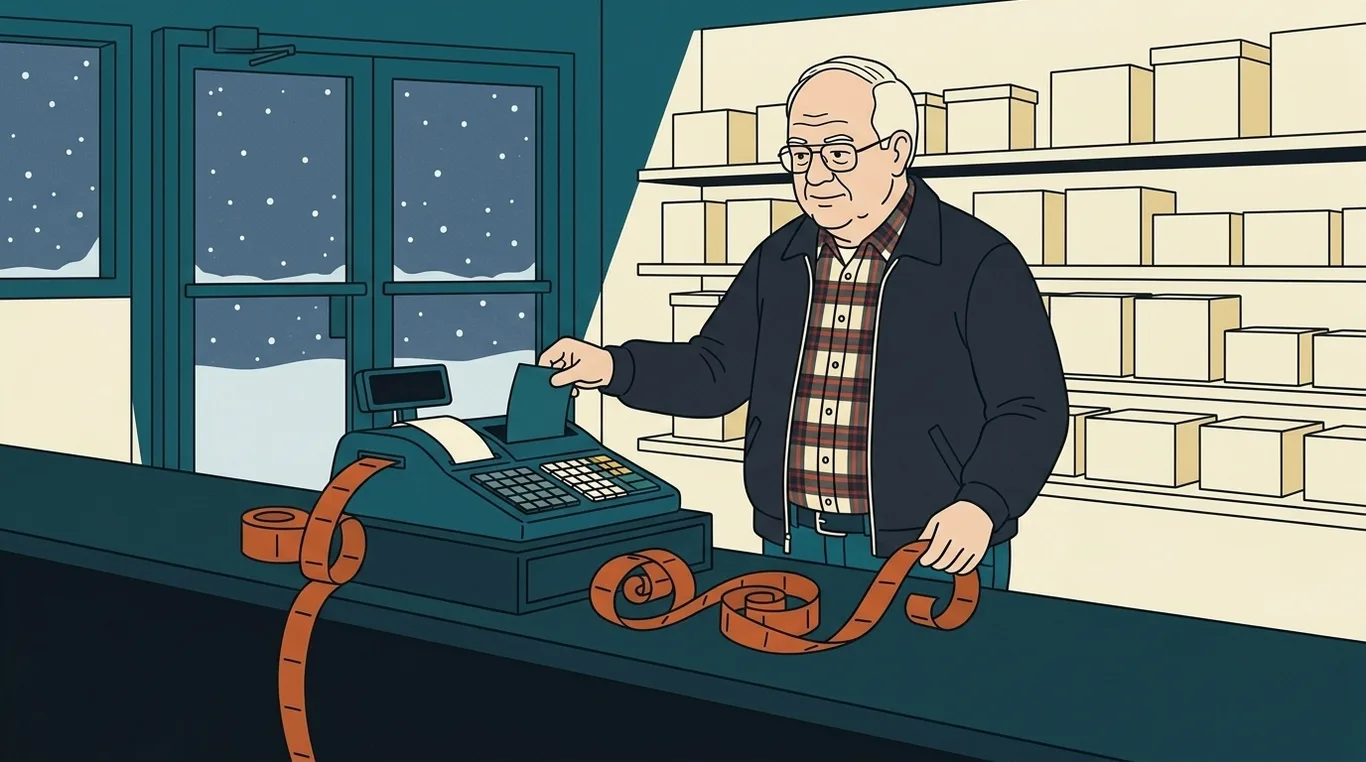
How the Cash WinFall roll-down worked
Cash WinFall went on sale in 2004. Players paid $2 to pick 6 numbers out of 46. The Lottery drew the winning numbers on Monday and Thursday nights.14
The top prize was called the jackpot, and it grew each time nobody won it. If it reached $2 million and still nobody won, the whole jackpot “rolled down” to the smaller prizes. That meant it went to the players matching 5, 4 or 3 numbers.5
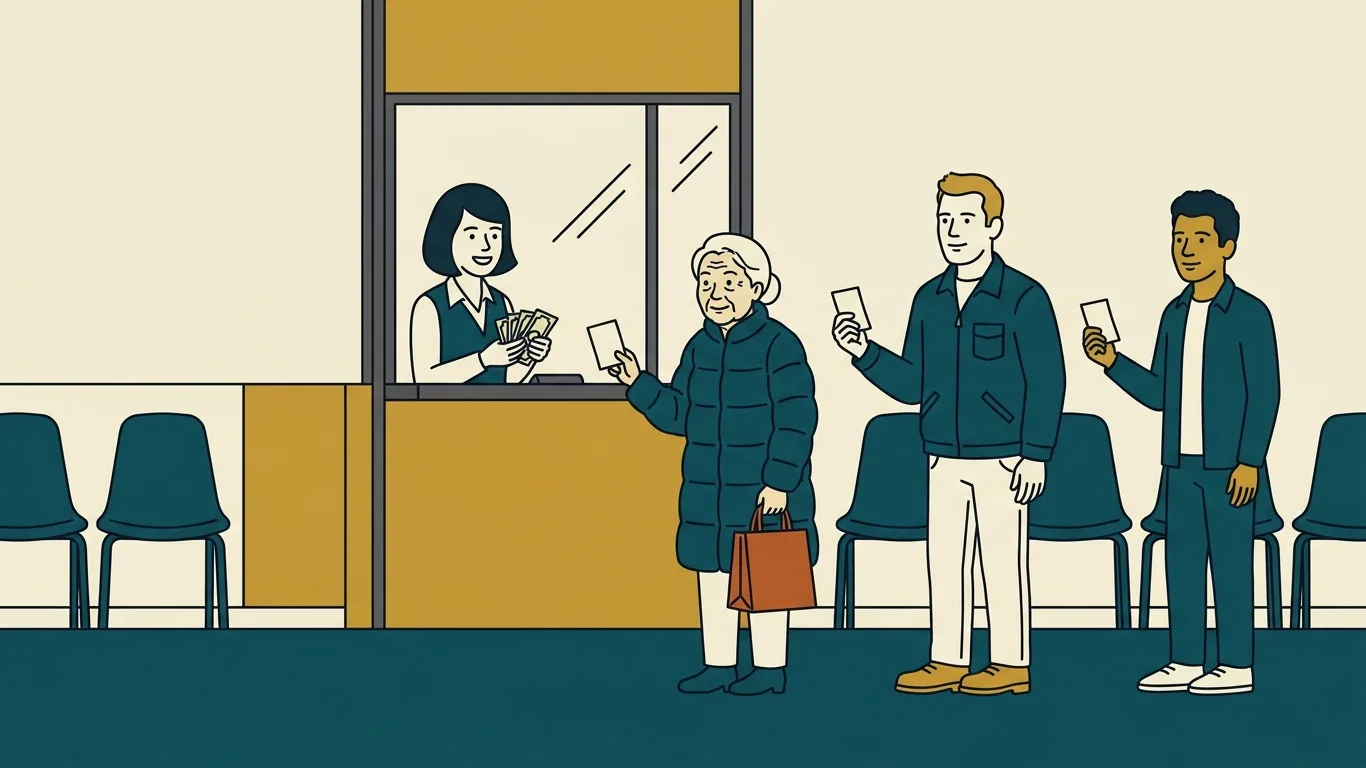
The Lottery designed the game to pay out 60 cents of every dollar bet as prizes. It kept the other 40 cents for the state and its cities and towns.7
Sullivan, the watchdog, later wrote in his report that on every roll-down night in the game’s history, “for every $1 wagered, there was $1.15 (or usually more) sitting in the Cash WinFall prize pool.”1
The extra money came from earlier drawings, when nobody had won the jackpot. While the jackpot grew, every ticket sold had left 60 cents of each dollar in the prize pot. The Lottery had already kept its 40.7
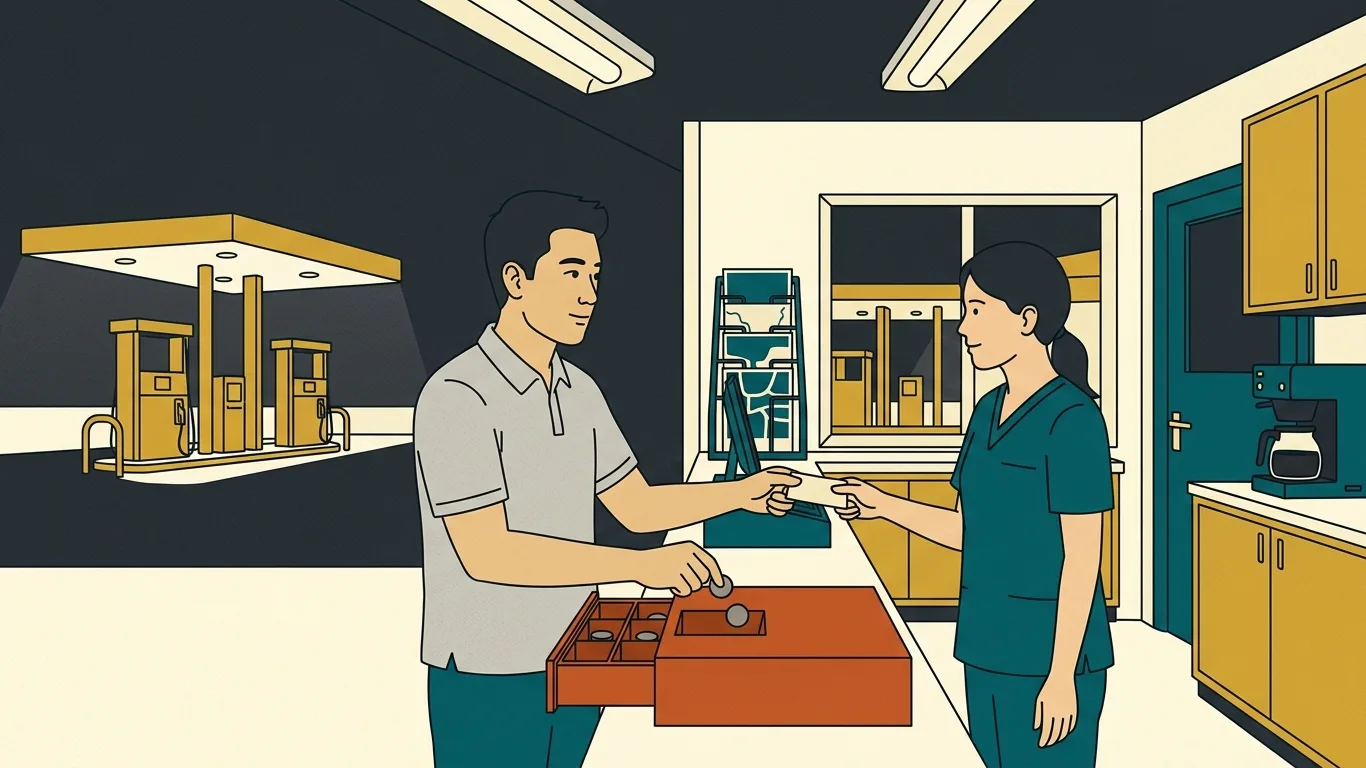
So on a roll-down night, each $2 ticket won back, on average, at least $2.30. On an ordinary night, the same ticket won back about $1.20, on average.15
Any one ticket could still lose. Only someone buying a great many tickets could count on the average.
After every drawing, the website gave an estimate of the next jackpot. So anyone could see a roll-down coming.16 The jackpot reached $2 million 45 times, and on all but one of those nights the money rolled down.17
But buying tickets in such numbers took a lot of cash and time.

Jerry Selbee works out the lottery loophole in three minutes
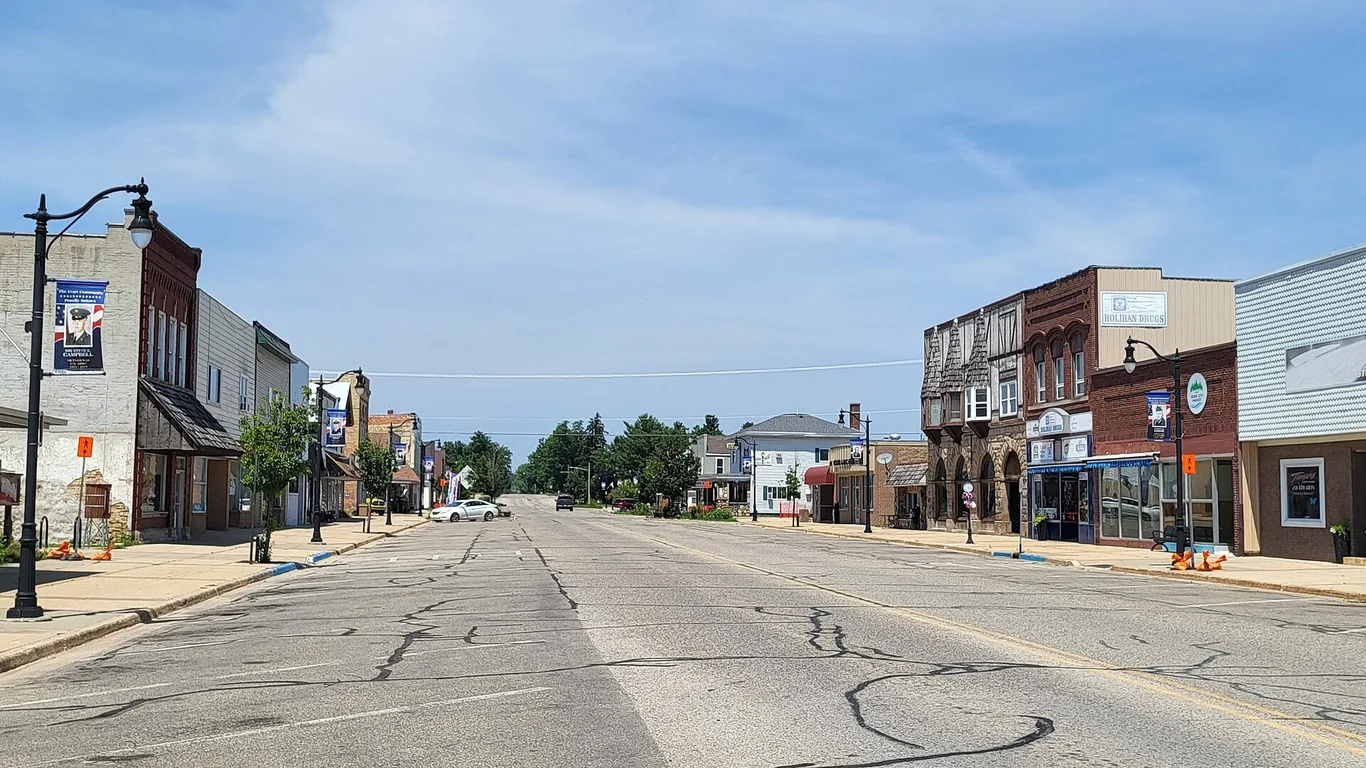
Jerry Selbee ran a shop in Evart, Michigan, a town of about 1,900.18 For 17 years or so, the shop sold lottery tickets.12

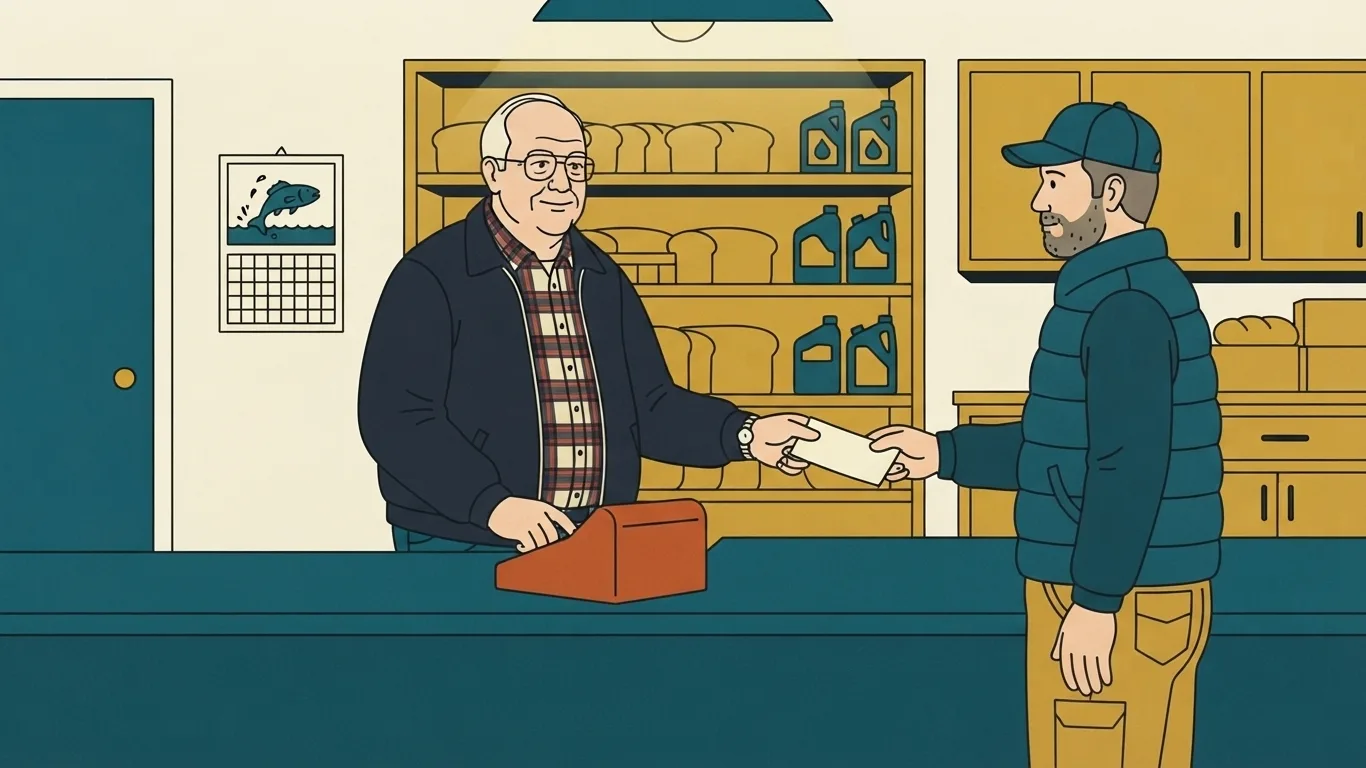
In 2003 Selbee read a leaflet for a Michigan game called Winfall, which had the same kind of roll-down. He told the television programme 60 Minutes that working out what it meant took him about three minutes.19
Jerry and his wife, Marge Selbee, formed a betting club, a group who pool their money to buy tickets.20 In May 2005 Michigan shut the Winfall game down, saying it was not selling enough tickets.21
Massachusetts had the same kind of game. On 29 August 2005, the Selbees bought 60,000 Cash WinFall tickets there. That was $120,000 worth, about 900 miles from home.22
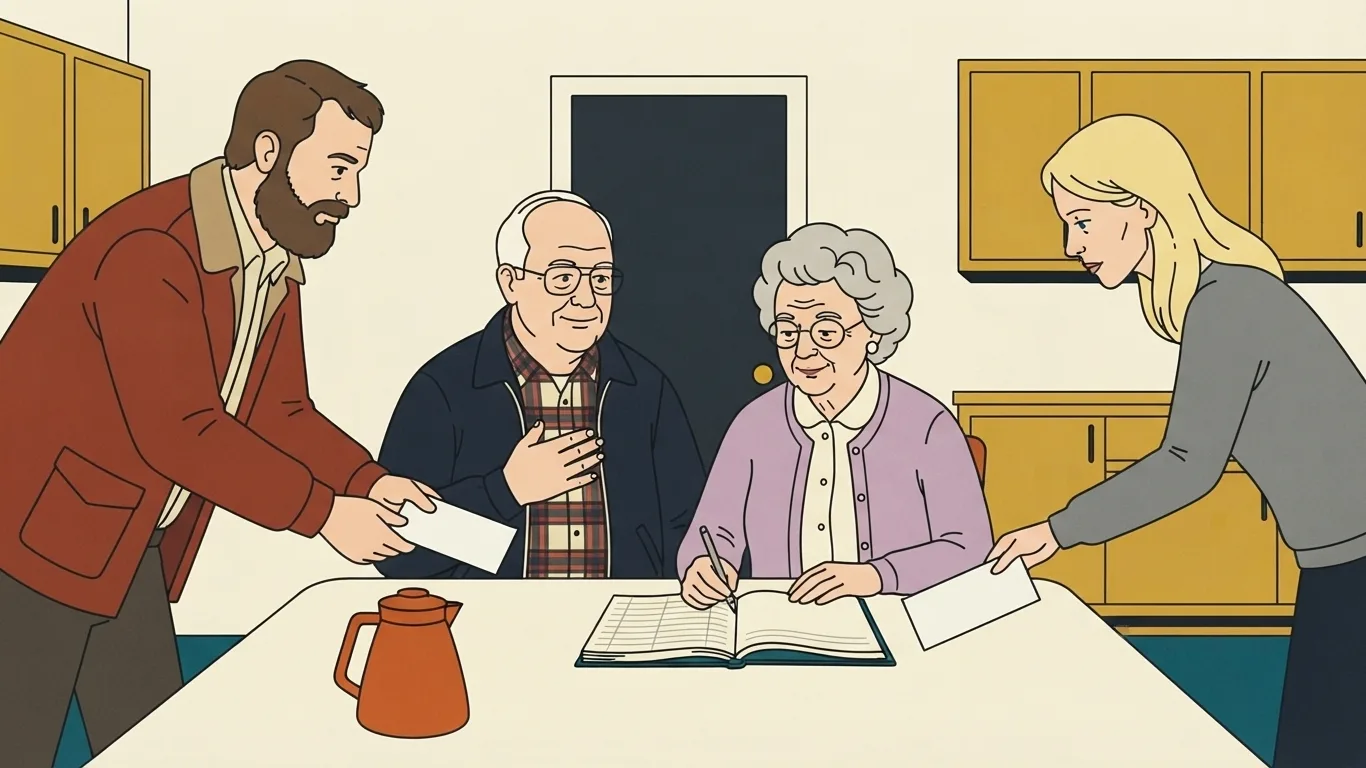
They bought them at two shops in Franklin County, Billy’s Beverage in Sunderland and Jerry’s Place in South Deerfield. Paul Mardas, who owned Billy’s, joined their club.23
The Selbees let the machine pick the numbers, a kind of ticket the Lottery called a Quic Pic. They bought them by the tens of thousands.24
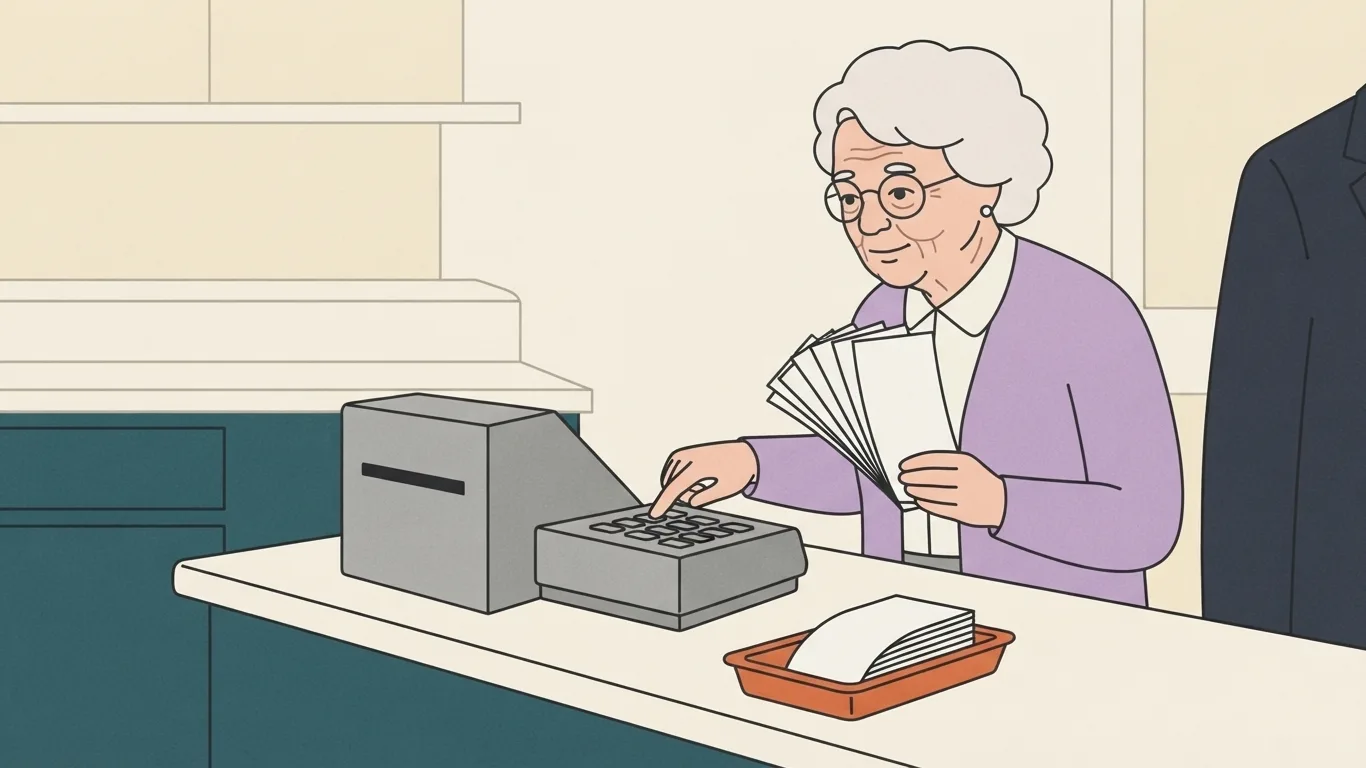
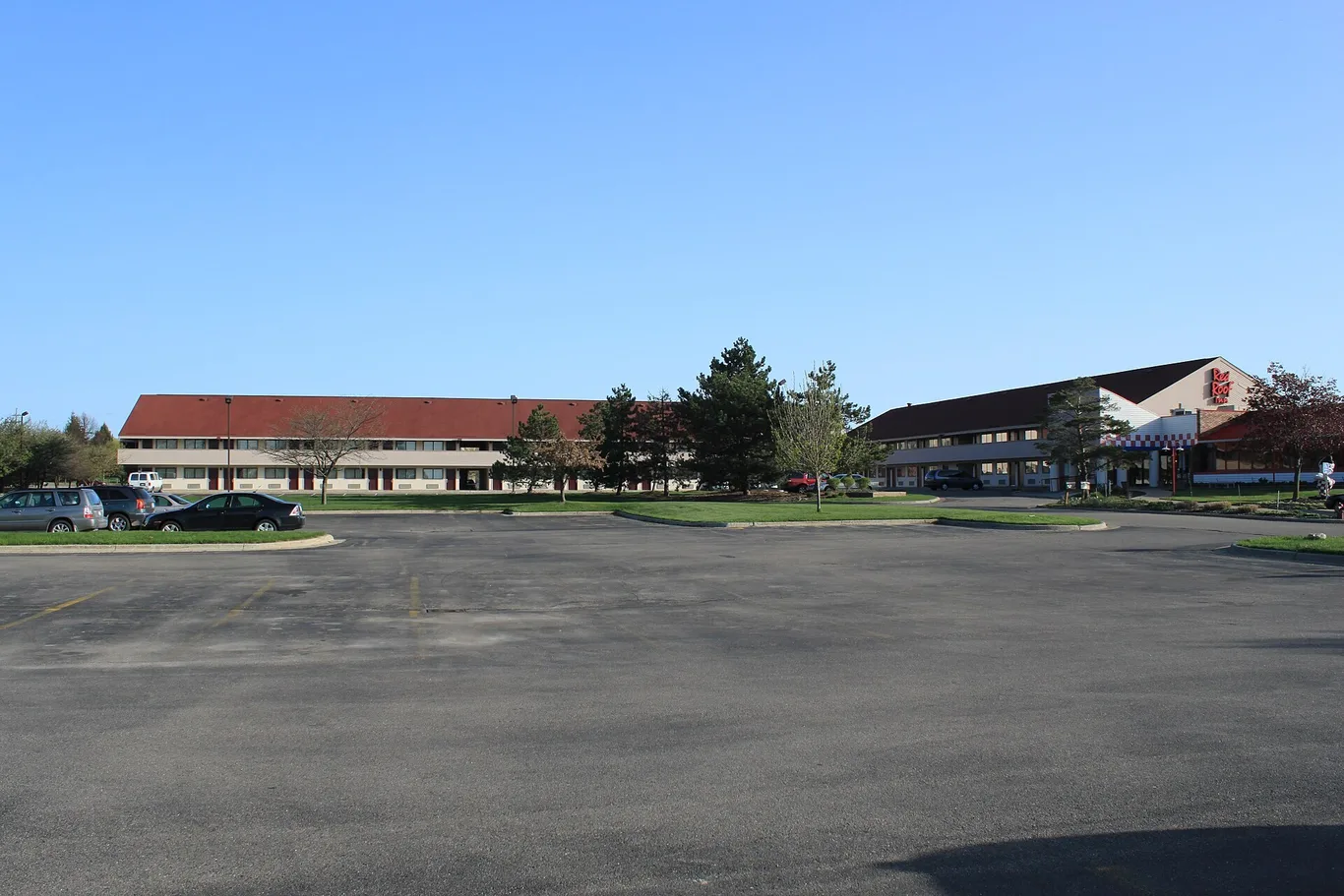
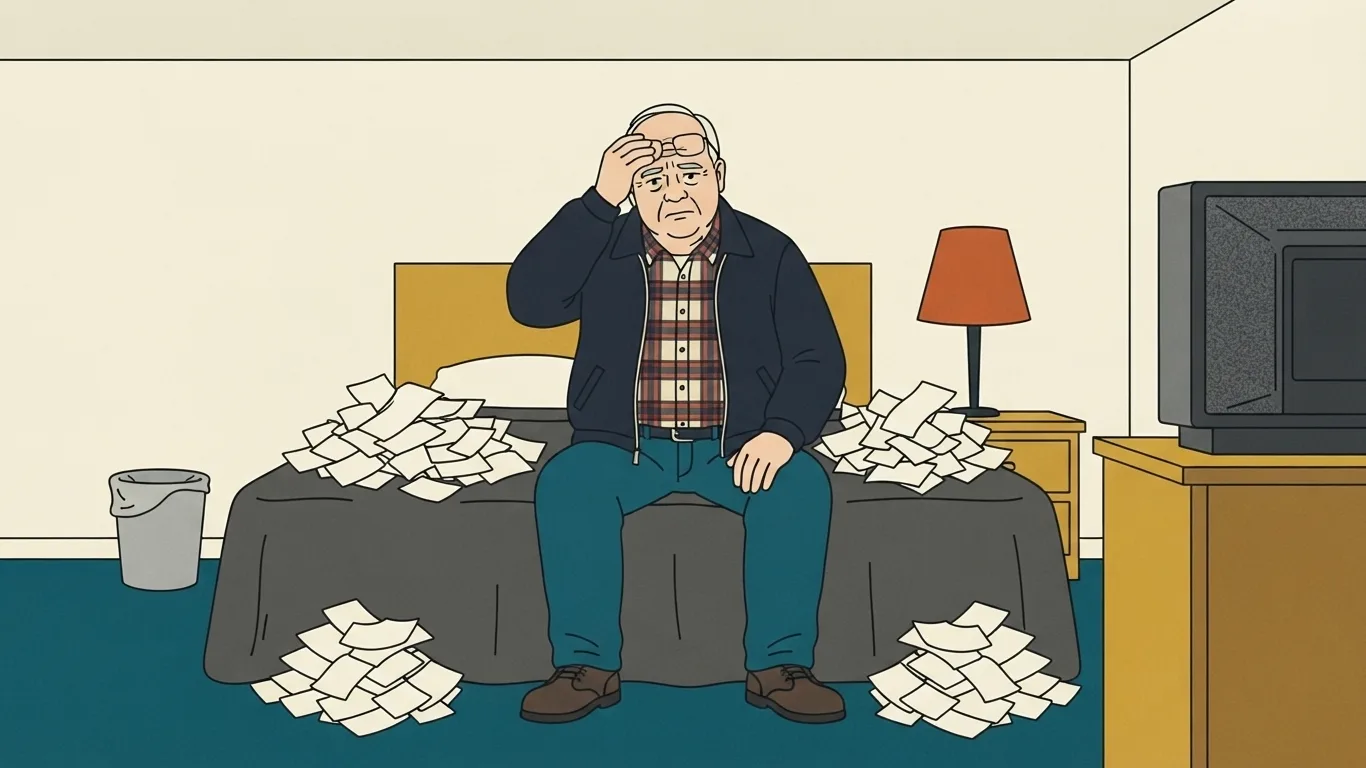
To claim prizes, they had to find the winning tickets. So they sorted winners from losers by hand in a room at a Red Roof Inn.25
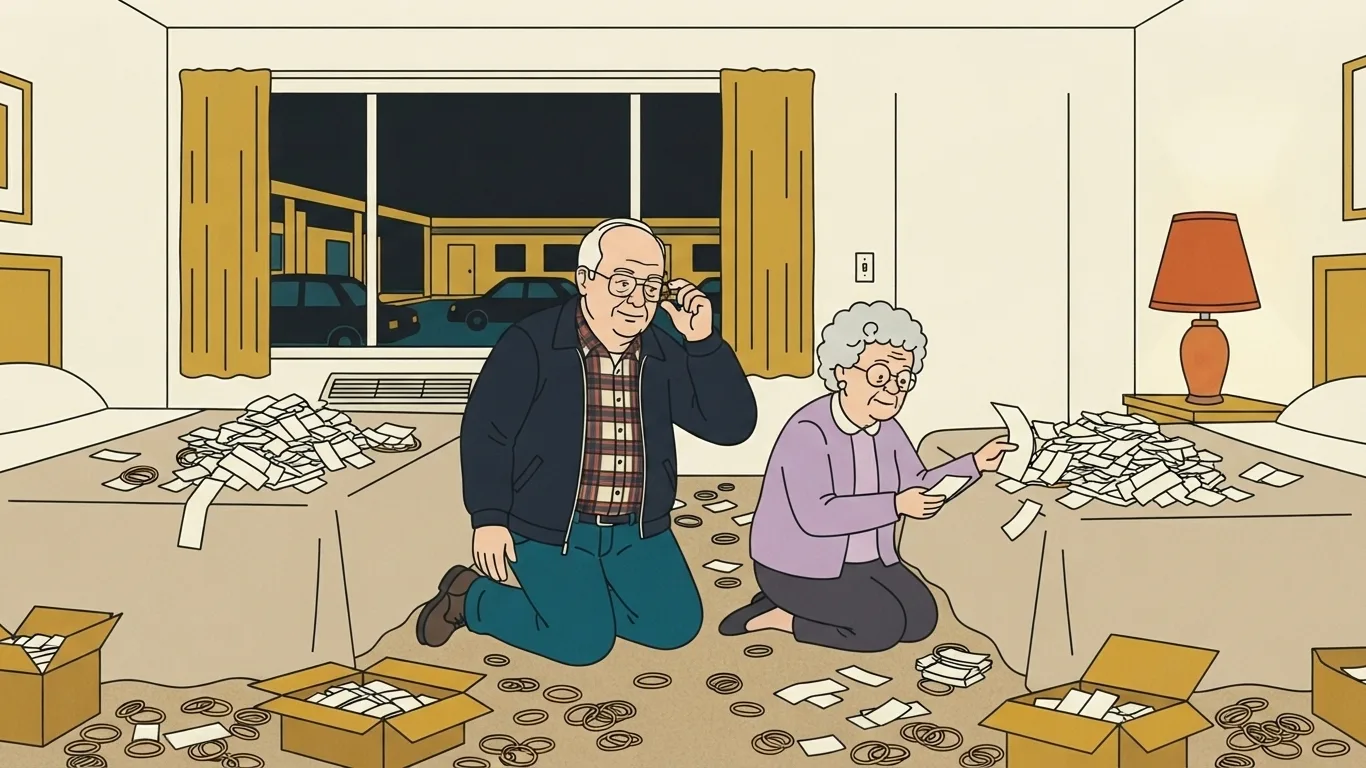
Selbee later told Sullivan’s investigation that Cash WinFall “was an invitation for large clubs to form.”26

Half a year earlier, students at MIT, in Cambridge, Massachusetts, had found the same flaw. On a roll-down night, tickets paid back more than they cost.27
MIT students start a lottery betting club in Random Hall
In January 2005, James Harvey was a final-year student at MIT. He was looking for a subject for a project of his own choosing, and he found Cash WinFall.27


Harvey put the idea to the students in his hall, which was called Random Hall. About 50 of them put in $20 each, $1,000 in all. After the roll-down of 7 February 2005, that $1,000 came back as about $3,000.28
Harvey kept playing after he graduated. In 2010 he and Yuran Lu, also from MIT, set the team up as a company. They called it Random Strategies Investments, after the student hall.11
Sullivan put the MIT team’s profit over 7 years at $3.5 million or more, before tax. That is about half a million a year. Harvey would not give his own figure for the profit.29
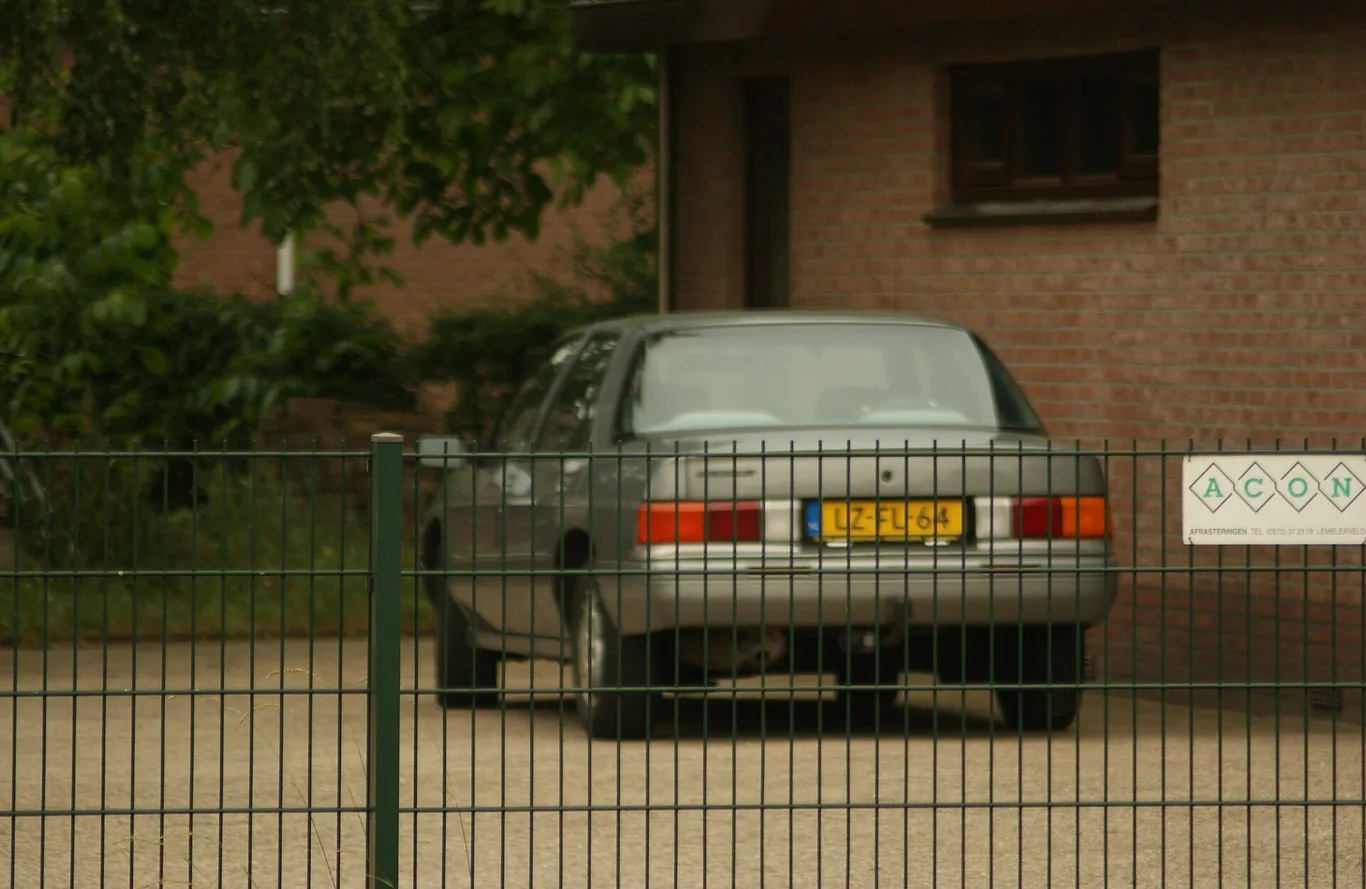
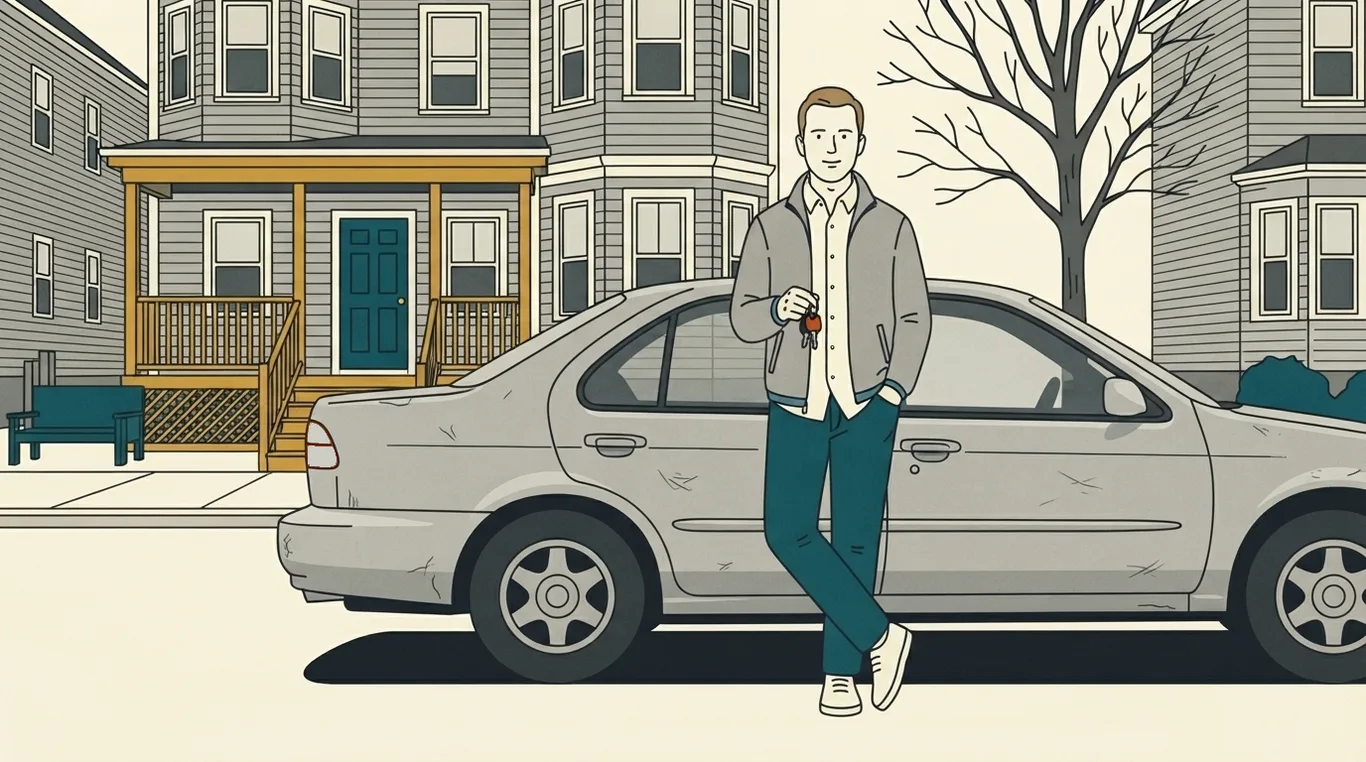
For years Harvey drove a 1995 Chevrolet Corsica, bought for $500 at a government auction. Sullivan wrote that the winnings “have not dramatically changed Mr. Harvey’s lifestyle.”30

On 10 July 2008, somebody matched all six numbers and won the jackpot, so nothing rolled down. Harvey and Selbee both lost hundreds of thousands of dollars on that drawing, Sullivan wrote. They had bought for a roll-down, and, in his words, “the roll-down never materialized.”31
So buying up a roll-down paid only if nobody won the jackpot first. And waiting for the website to show $2 million let every player in the state join in.32 The more tickets were sold, the more winners shared the prizes, so each one won less.
Since every ticket sold added to the jackpot, a team could buy enough to push it past $2 million before anyone else knew a roll-down was coming. It would then hold nearly all the tickets, and win nearly all the prizes.
But the Lottery had a report from 2005 that said this could not be done.33
The Lottery’s 2005 report says 83 hours to force a roll-down
In 2005 the Lottery’s computer department wrote a report on the risks of Cash WinFall. It asked what it would take to push the jackpot from $1.7 million up to $2 million. The answer was $1 million of tickets, which is half a million tickets.33
One ticket machine could sell about $200 of tickets a minute. At that speed, half a million tickets would take at least 83 hours. That is nearly three and a half days of non-stop buying, and drawings were three or four days apart.33
Sullivan summed up the finding in one line: the IT department concluded that it couldn’t be done.33
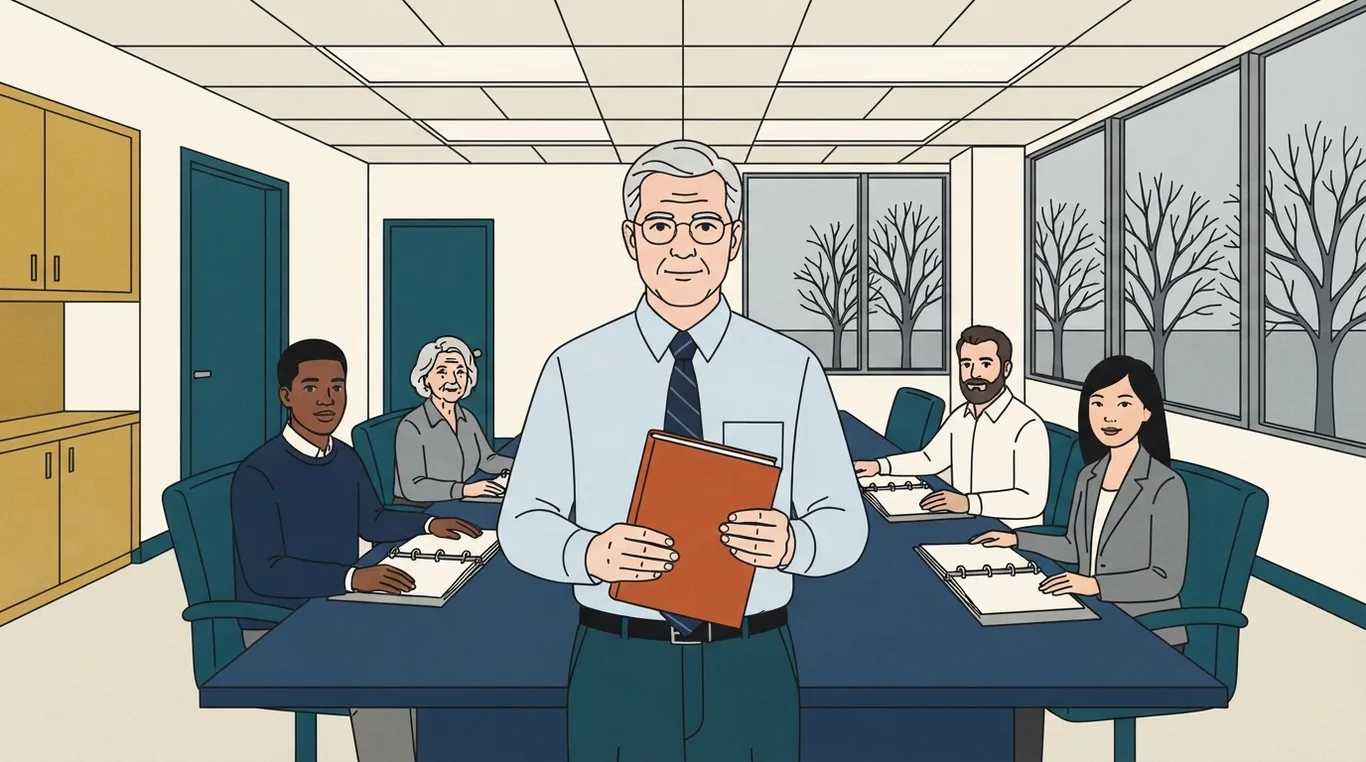
Sullivan wrote: “The MIT group did the same analysis,” and “concluded that it could be done, and that the potential reward was worth the risk of trying.”33
In spring 2006, Selbee later told the Boston Globe, a Lottery manager thanked him for propping up flat sales. The Lottery also put extra ticket machines and printers into the two shops.34
A lottery inspector reports the bulk buying in April 2010
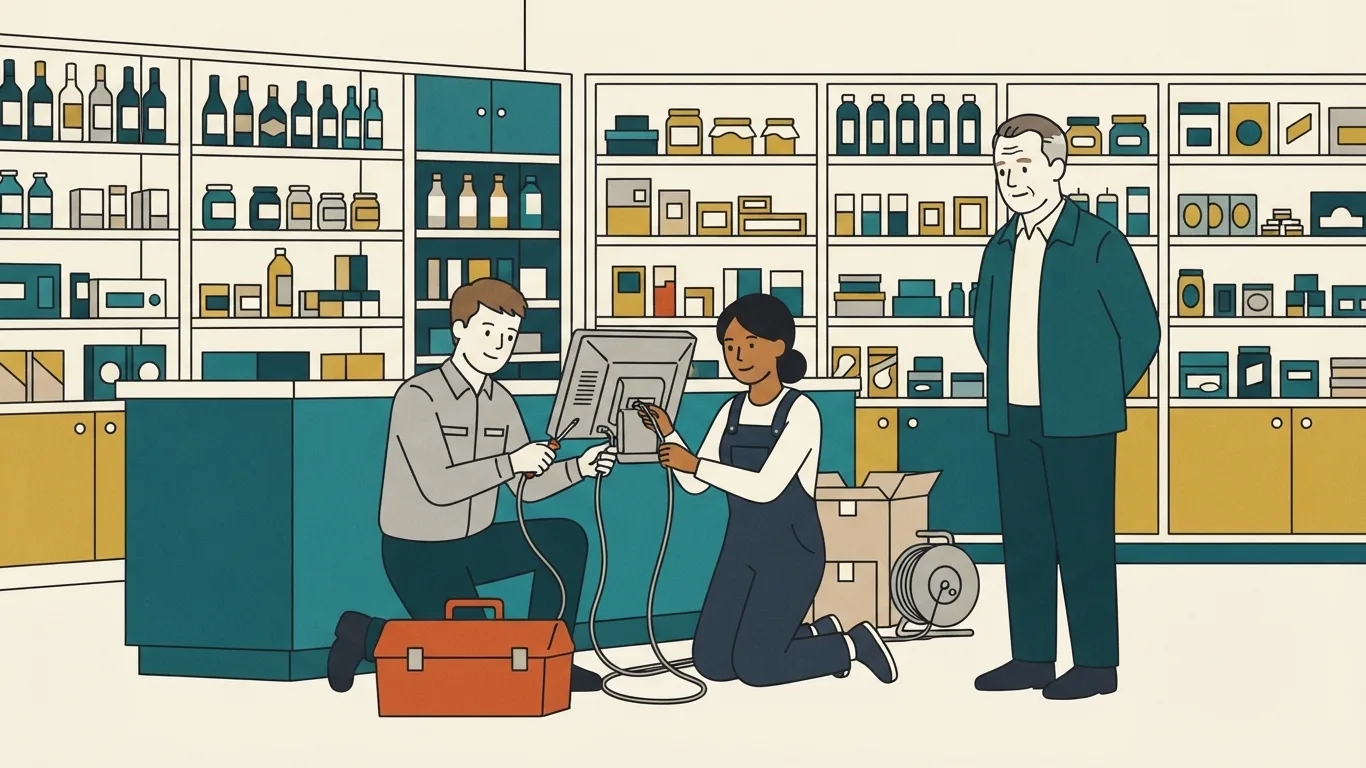
John Marino inspected Lottery shops. On 14 April 2010, he emailed his boss, Brian Taylor, about the two Franklin County shops. Three days before a roll-down, he reported, both shops sold from 5 in the morning until half past midnight.3
Marino wrote: “Everything is very organized and runs smoothly.”3

Taylor passed the email on to five senior staff. Among them were the head of the Lottery, his chief of staff Grazioso, and Paul Mandeville, a top computer official.3
Sullivan found “no substantive emailed response”. The only reply on file asked Taylor whether he could become “a member of the club when I retire.”3
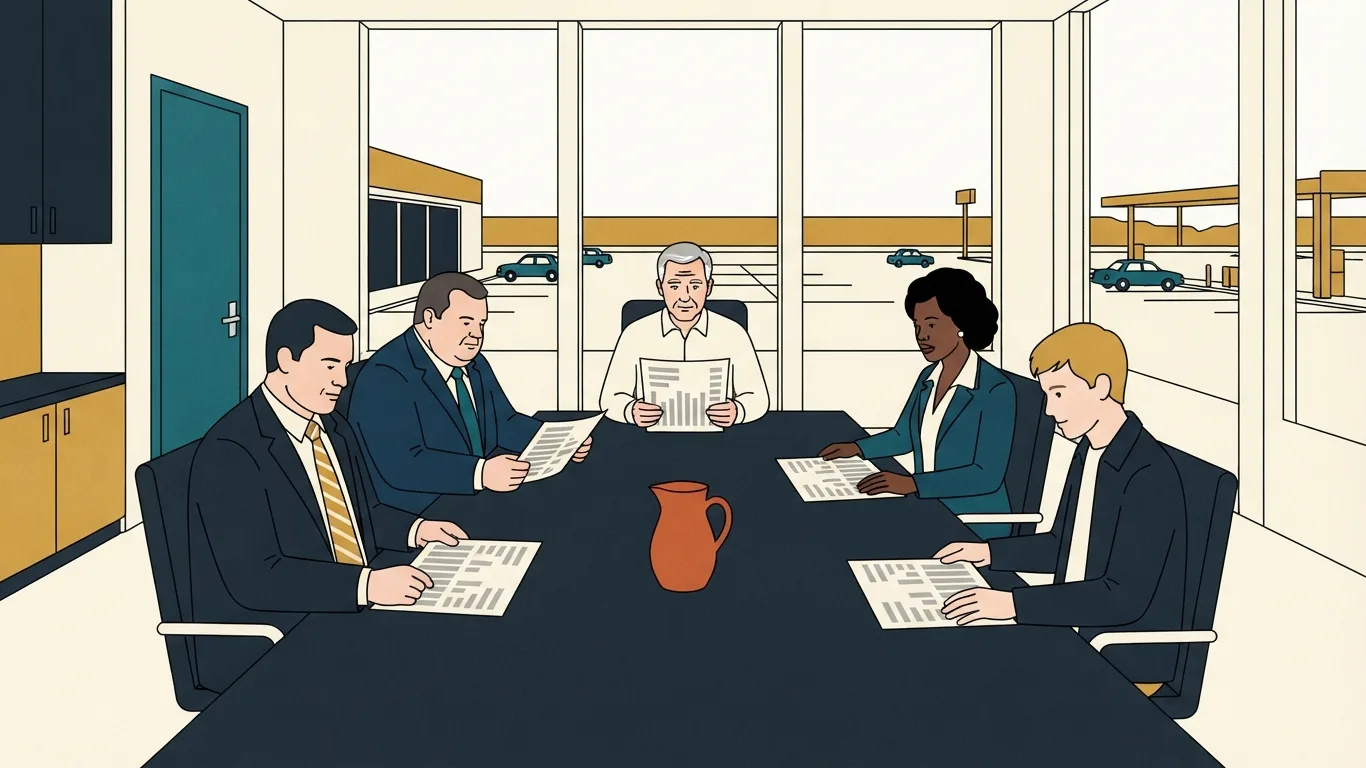
Sullivan wrote that the officials had known since April 2010 that the two shops belonged to the Michigan club. That went, he wrote, “all the way up to the then executive director.”3
The MIT team buys 700,000 tickets for one draw
Harvey’s team spent a year getting ready to do what the 2005 report said could not be done.35
Lottery rules banned betting slips printed by computer, so every slip had to be filled in by hand. That made bulk buying slow.36 The MIT team filled in about 2 million ovals on 400,000 slips.35

On Thursday 12 August 2010, nobody won the jackpot. The website put the next jackpot at $1.675 million. That was below the $2 million at which the teams usually moved in.37
Over the next three and a half days, the MIT team bought about 700,000 tickets. Those tickets cost $1.4 million. The team bought them on many ticket machines, in several shops, all printing at the same time. That got round the 83 hours the 2005 report had worked out for one machine.38
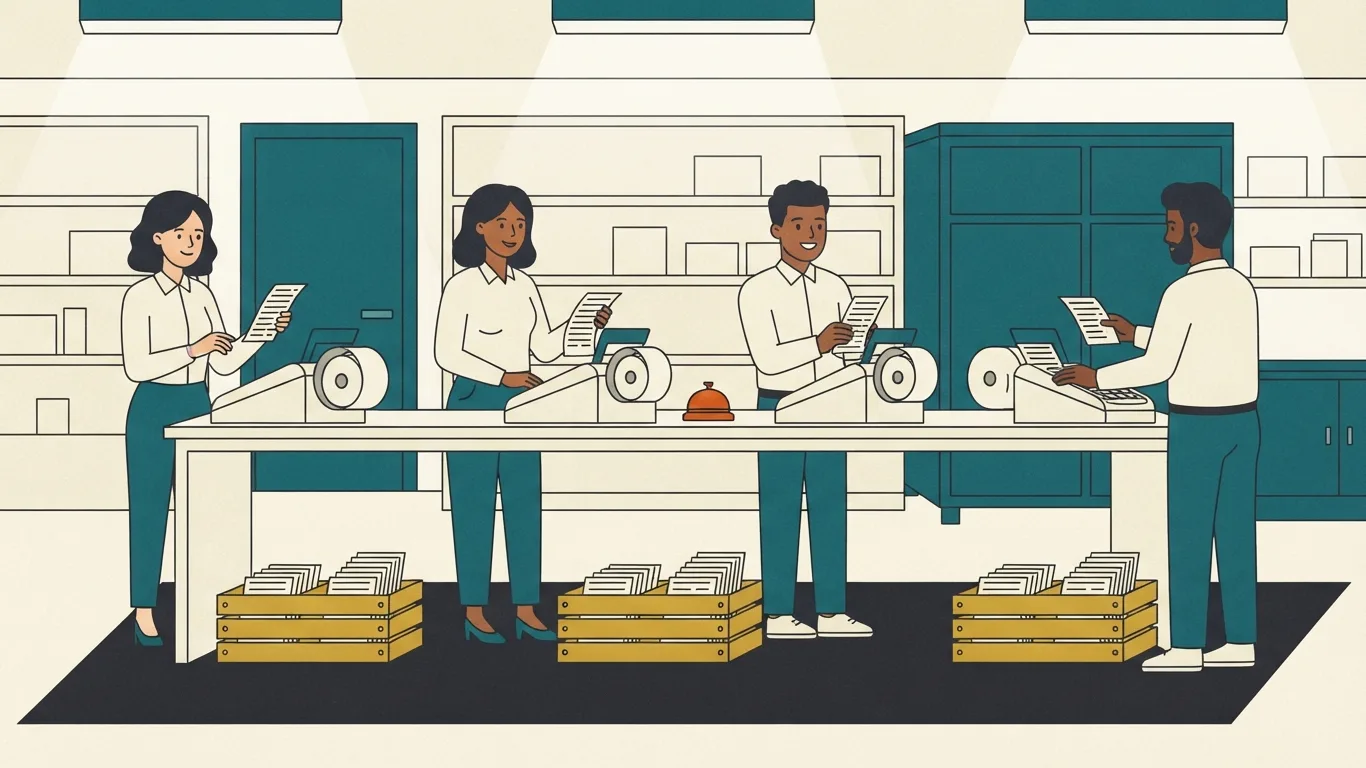
Sullivan wrote: “Of every eight tickets sold for the Aug. 16 drawing, the MIT group would be sitting on seven of them.”38
The buying pushed the jackpot past $2 million, and nobody matched all six numbers. About $2.1 million rolled down, in a drawing almost nobody else had known to enter. Sullivan put the MIT team’s cash profit on that one drawing at $700,000.38

Each shop could only sell so much in a day. Four of the MIT team’s shops had asked the Lottery’s finance staff to raise those limits, so they could sell more. Two days after the drawing, one senior technology manager emailed another: “Finance upped limits for 4 terminals, but told no one.”39
The email blamed the “Michigan guys”, meaning the Selbees’ club. That was a mistake. In Sullivan’s words, the email’s author “was incorrect about who had pushed the roll-down.” The MIT team had pushed it, with its buying.39
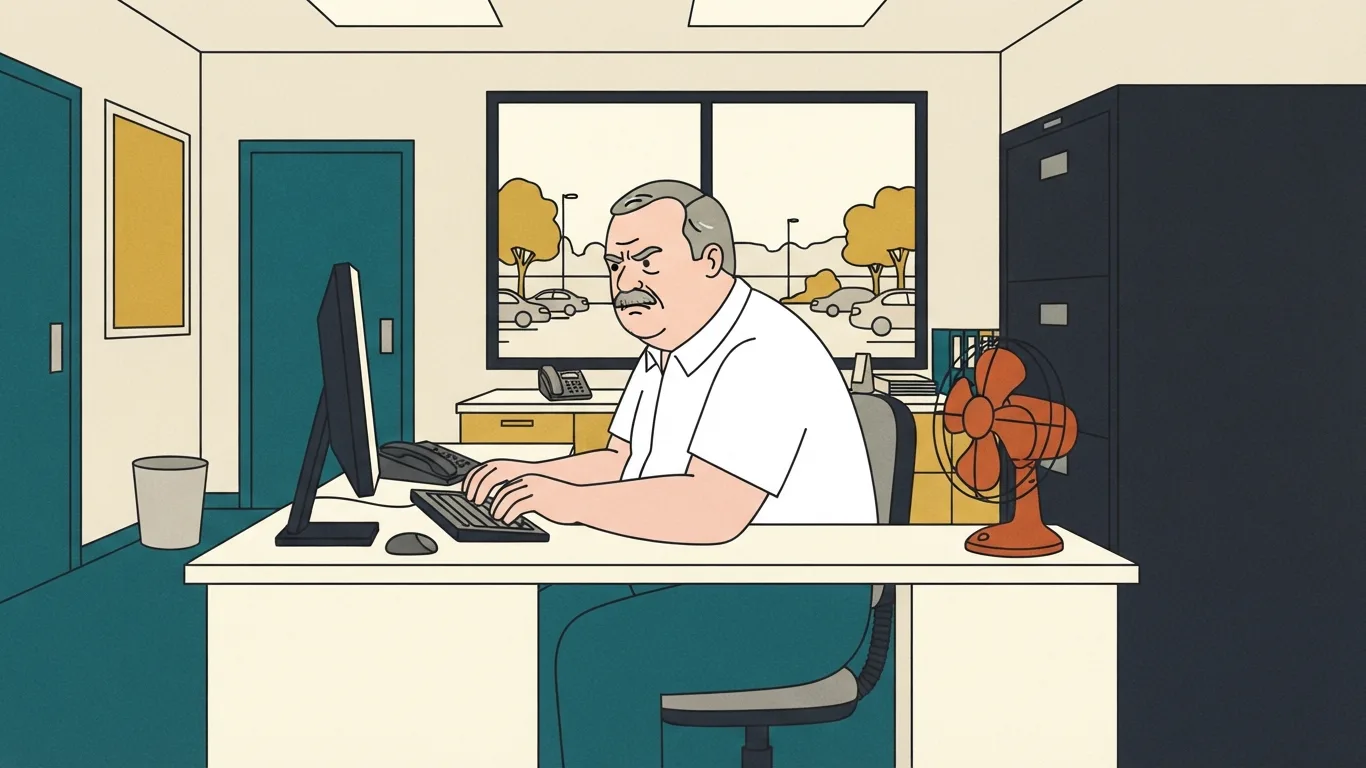
The technology department, Sullivan wrote, “immediately installed new software programming to prevent a repeat of the surprise roll-down.”39
Four months later, shops again asked for higher limits. This time, the technology department found out the same morning.4
The Christmas 2010 race between MIT and the Selbees
On Thursday 23 December 2010, nobody won. Early on Christmas Eve, the website put Monday’s jackpot at $1.675 million. It was August’s figure again.40
That morning the MIT team began buying in huge numbers again, hoping, Sullivan wrote, “to generate a surprise roll-down as the group had done four months earlier.”6
At 11.36, the assistant’s email reached Grazioso: “Cash WinFall guys are trying to make it roll again.” Sullivan found that the warning in it seemed to have come from Paul Mandeville.4
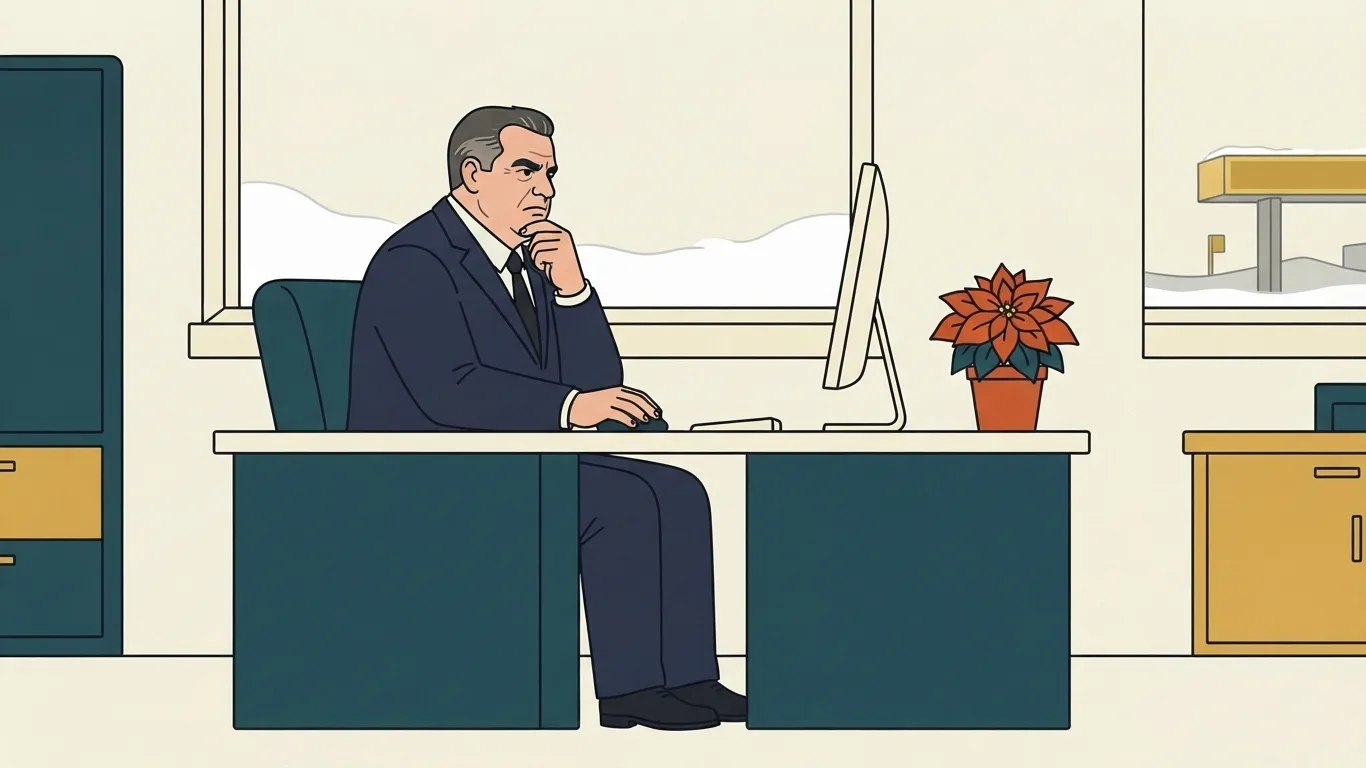
Mandeville was one of the five senior staff who had been sent Marino’s email in April. On Christmas Eve, all he knew was that some shops wanted higher limits.4
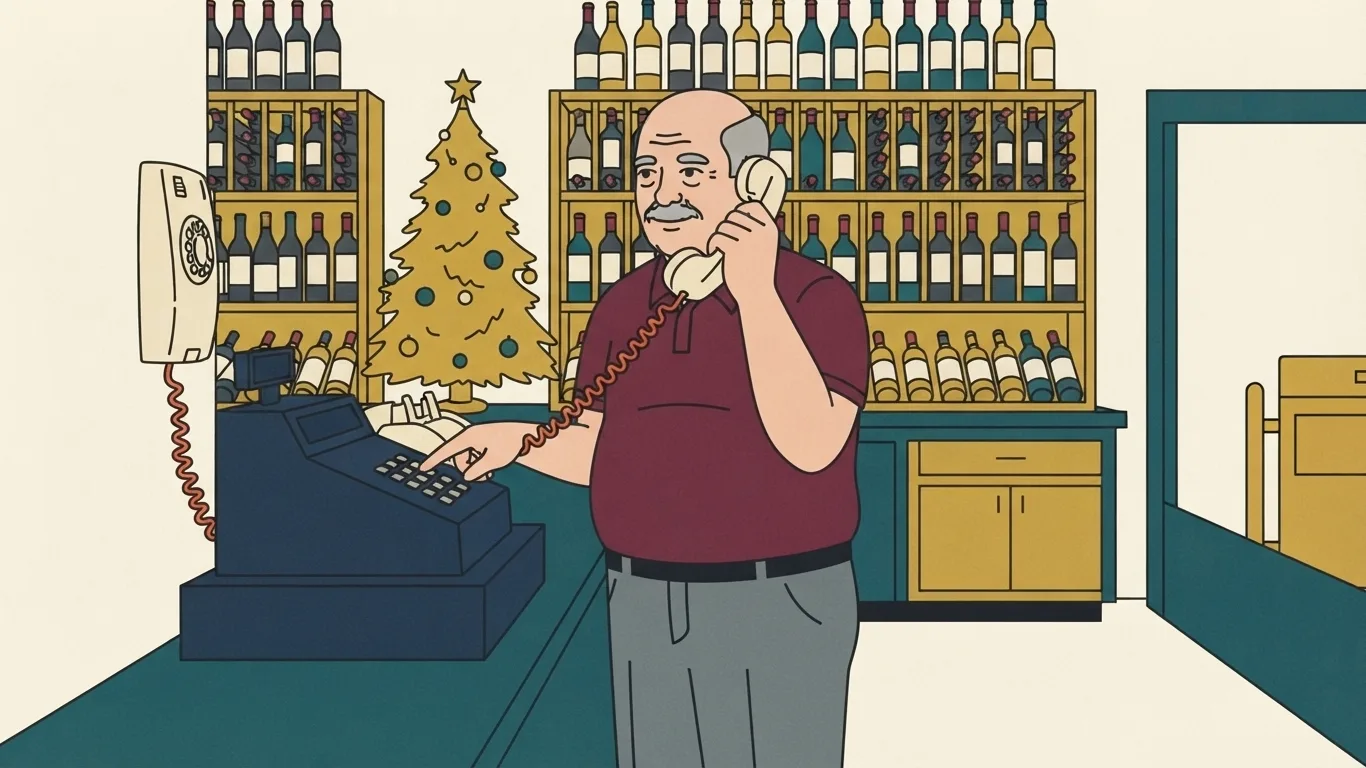
The same day, Paul Mardas, who owned Billy’s, phoned the Lottery’s head office. By Selbee’s account to Sullivan, Mardas asked about big buying and was told five shops had raised their limits. Selbee told Sullivan he was not sure who at the Lottery had taken the call.10
He said he felt “several hours behind whoever started buying tickets that morning.”10
The website’s estimate mattered: if it showed $2 million or more, every player would know a roll-down was coming.32
Mandeville wanted to keep the website’s estimate at $1.675 million for the time being. He wanted to see a full day of real ticket sales before anyone changed it. Sullivan found “it was reasonable for the Lottery to wait.”40
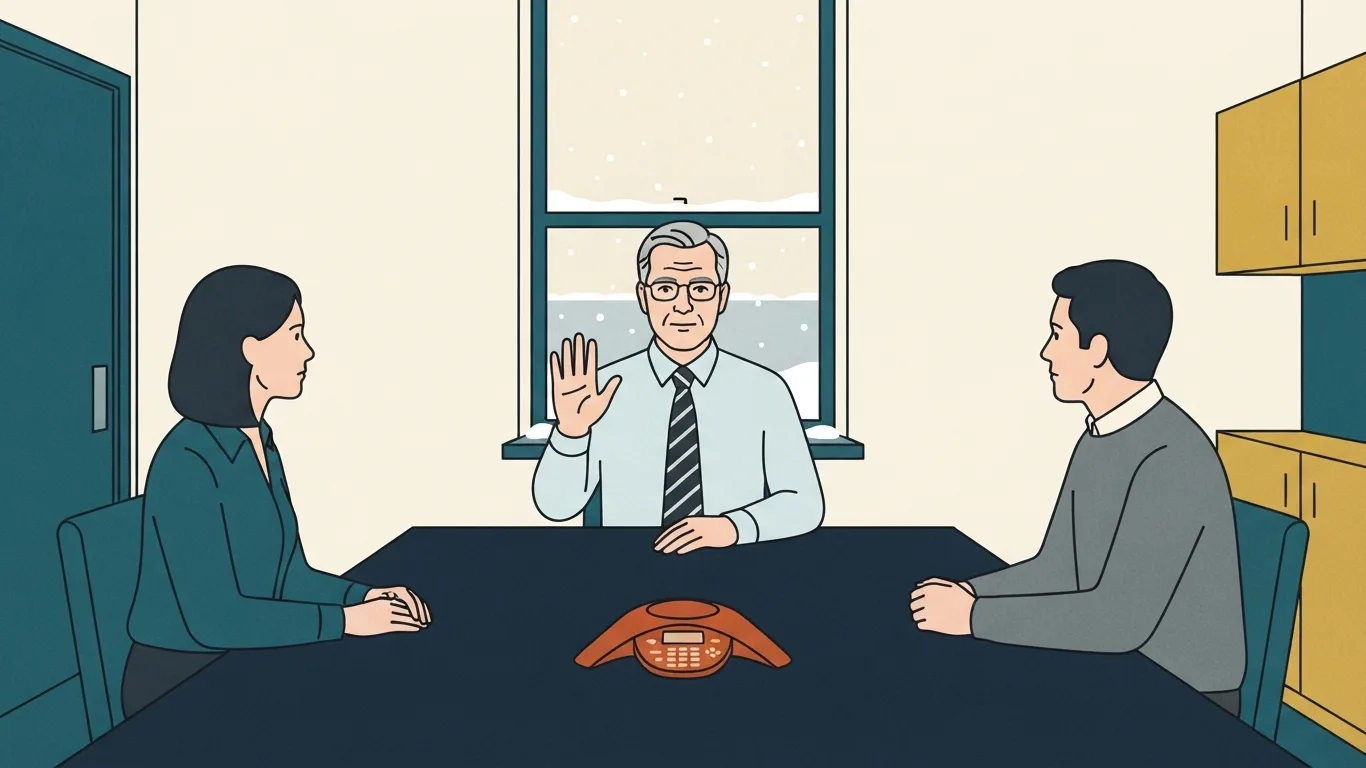
Early on Christmas morning, the Lottery’s computers raised the estimate in their usual overnight update. From then on, messages went out to every Lottery shop in the state every three hours.40
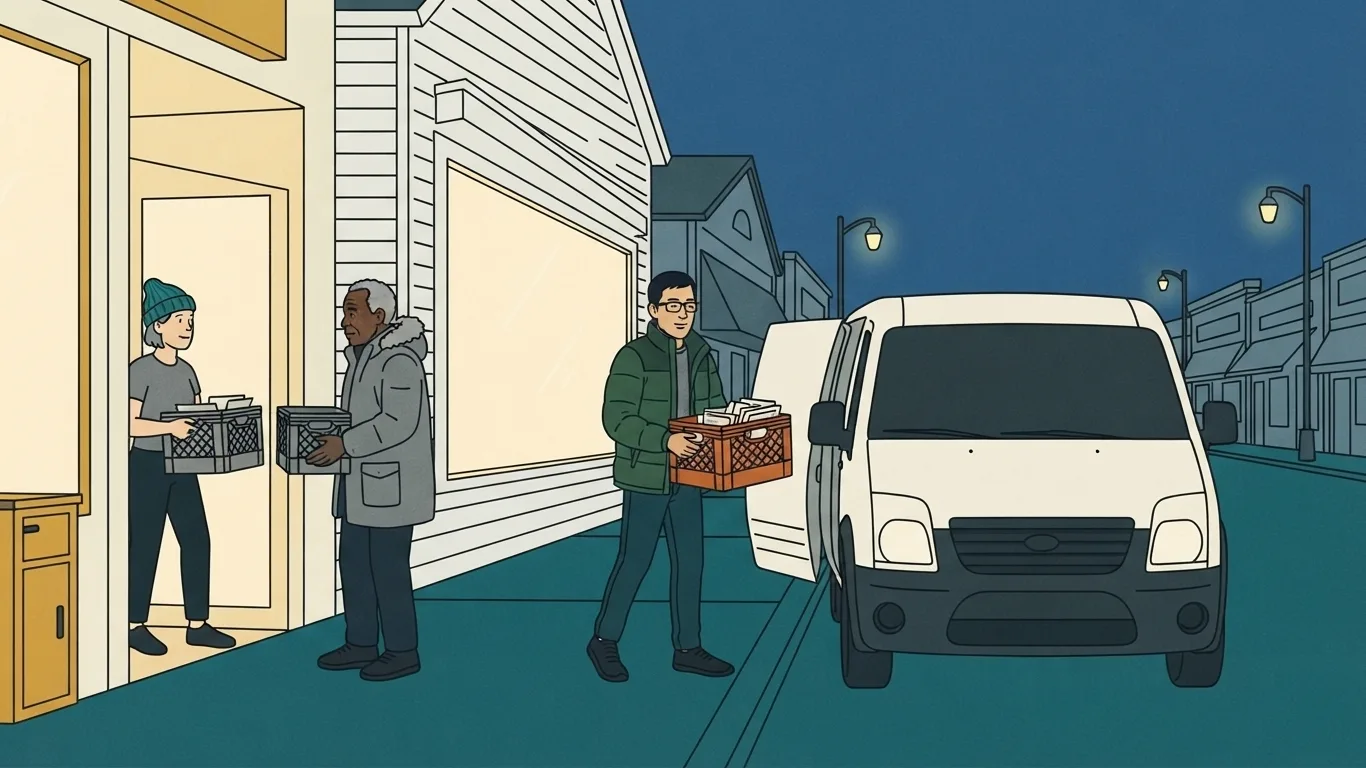
On Christmas Day, Jerry Selbee was inside Jerry’s Place in South Deerfield, with the shop closed. He was printing some of the 45,000 tickets he bought that day, when a man knocked.13

Selbee believed the man was Yuran Lu of the MIT team. Selbee told Sullivan he had the impression Lu wanted the two teams to “collude”, to work together in secret. He said he sent Lu away so quickly that Lu never got a chance to explain.13
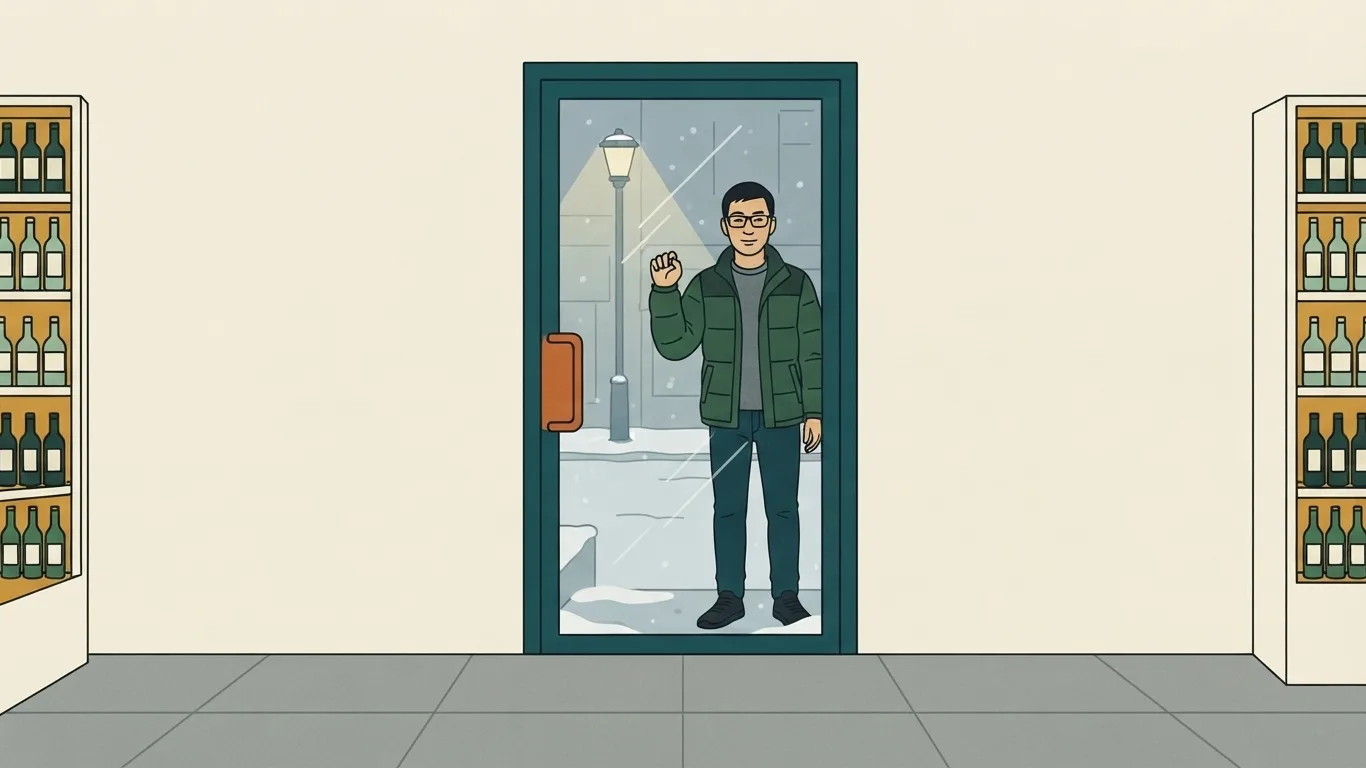
Years later, Selbee told the journalist Jason Fagone the one sentence he remembered Lu getting out. It was: “I’m from the other club, and I think it would be mutually beneficial if we knew how much money each of us were playing.” Selbee told Fagone he shook his head and closed the door on Lu.41
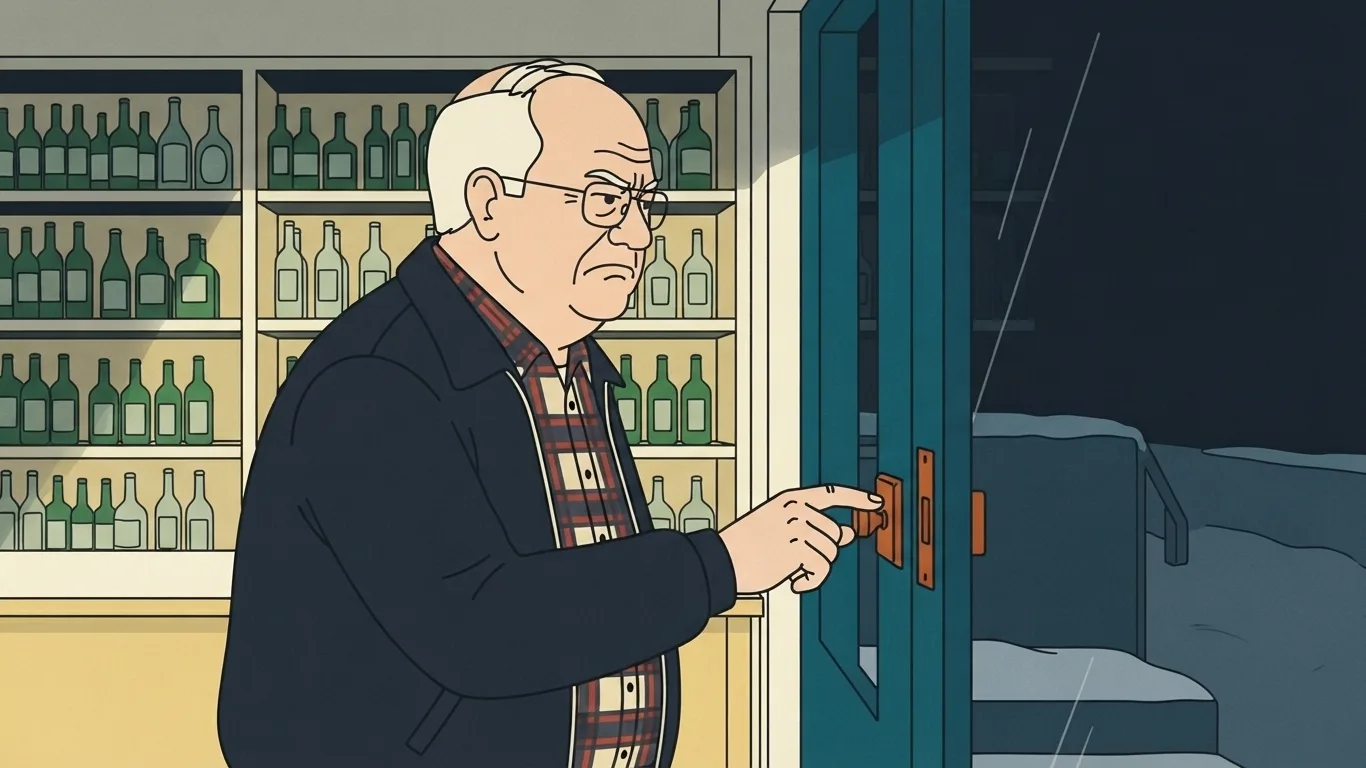
Harvey confirmed to Sullivan that Lu had gone there. He did not know exactly what Lu intended. He said his team would not have wanted to share roll-downs with anyone. Both teams, Harvey told Sullivan, wanted a roll-down without the jackpot going far past $2 million.13
By Monday night, each of the Selbees’ two shops had sold about 155,000 tickets. Other players, Sullivan found, seem to have waited for the estimate to change. Sullivan wrote that it “does not appear” Selbee’s club “was at a measurable disadvantage for this drawing.”42
The MIT team’s second surprise failed, he wrote, “because the Lottery had put in place an early warning system.”42
On 27 December, the jackpot stood at about $2.3 million. Nobody won it, so the money rolled down. The Globe reported smaller prizes than in August, because this time everyone had played.43
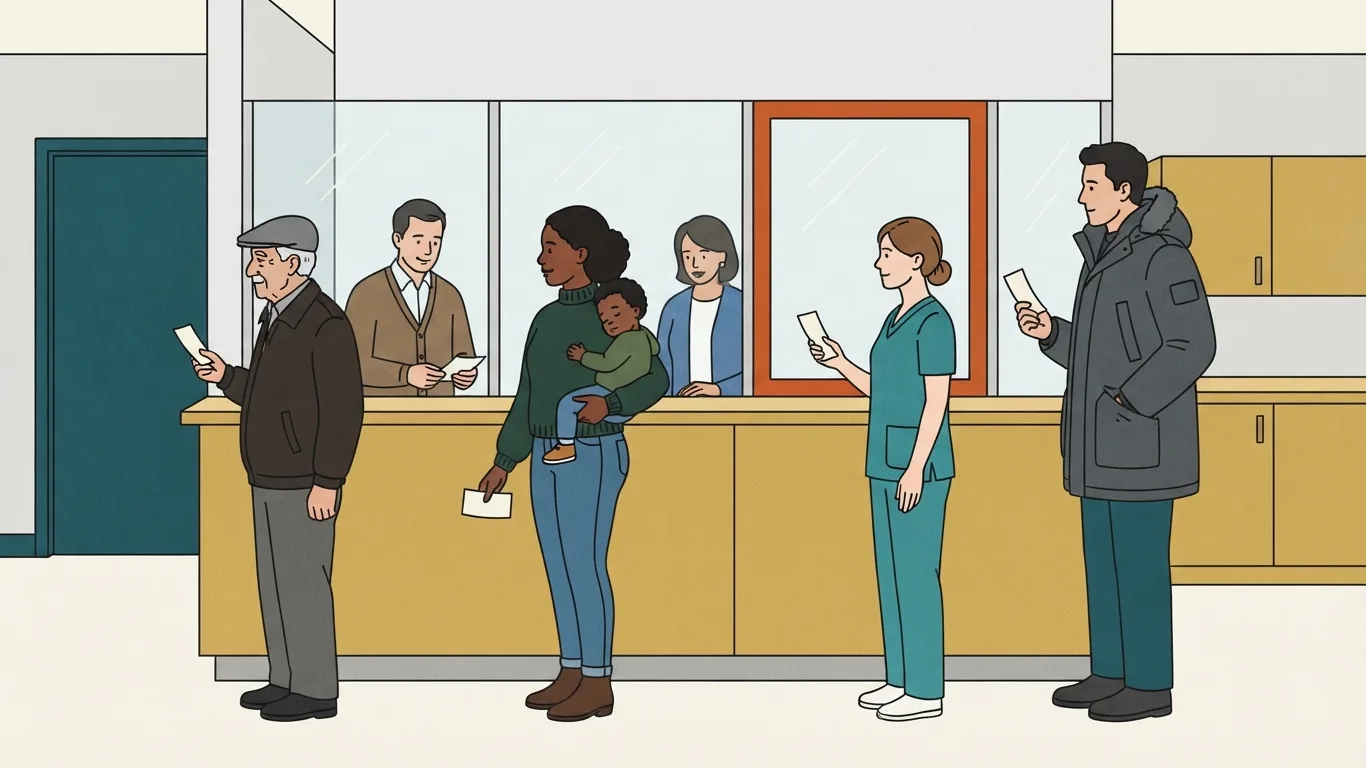
Even after Christmas Eve, the Lottery went on selling tickets to the same teams into the following summer. Sullivan says the selling stopped when a reporter from the Boston Globe began to ask questions.44
The Boston Globe finds the shops and the game ends
In January 2011 Massachusetts got a new Treasurer, Steven Grossman, whose office was in charge of the Lottery.45
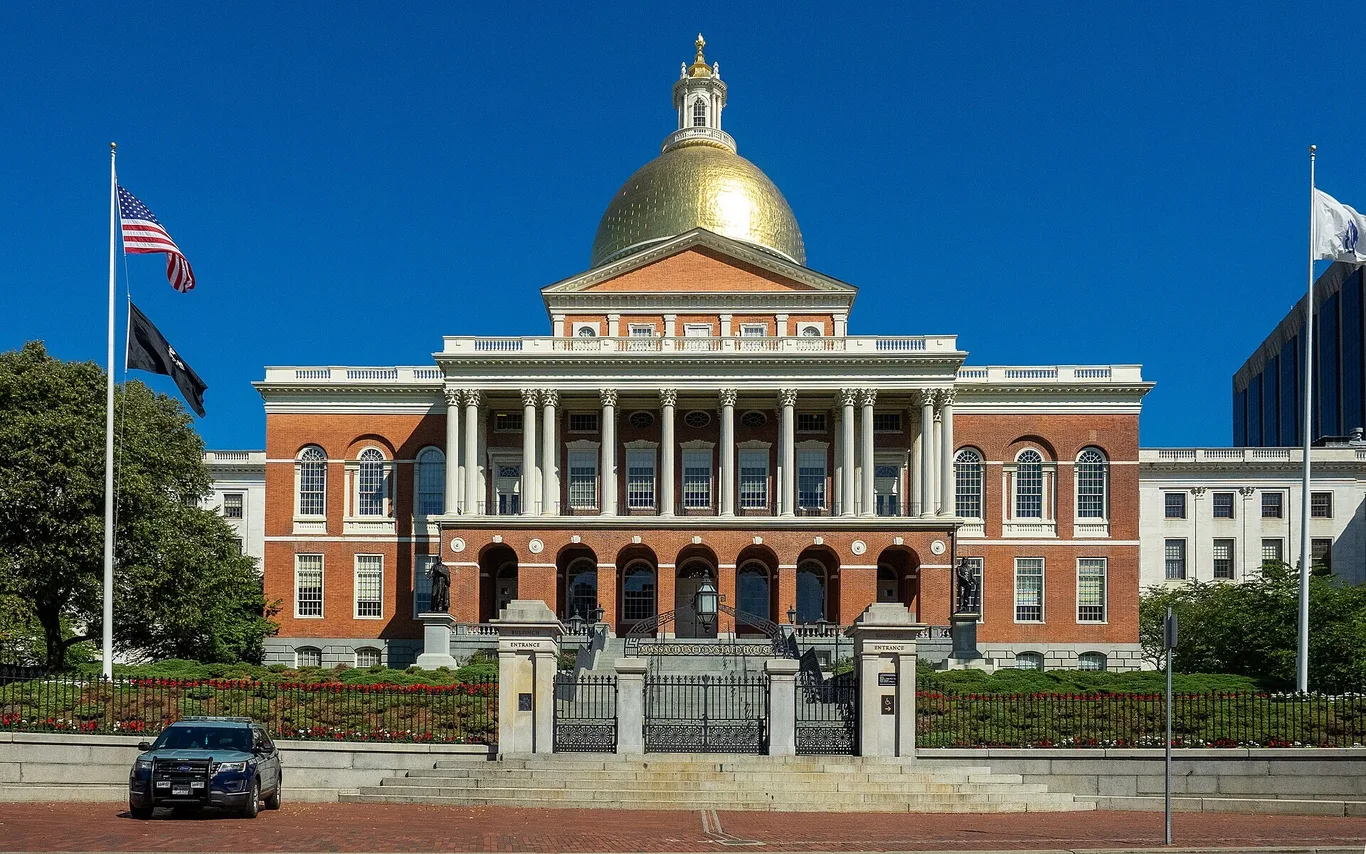

In June 2011, Fagone wrote, a state employee told Andrea Estes, a Globe reporter, about bulk buying.46
On 11 July 2011, the Lottery’s chief lawyer, William Egan, wrote to the shops with higher limits. He set out what Sullivan called “the same rules identified as crucial back in 2005.” One of them, already in force, banned betting slips printed by computer.47
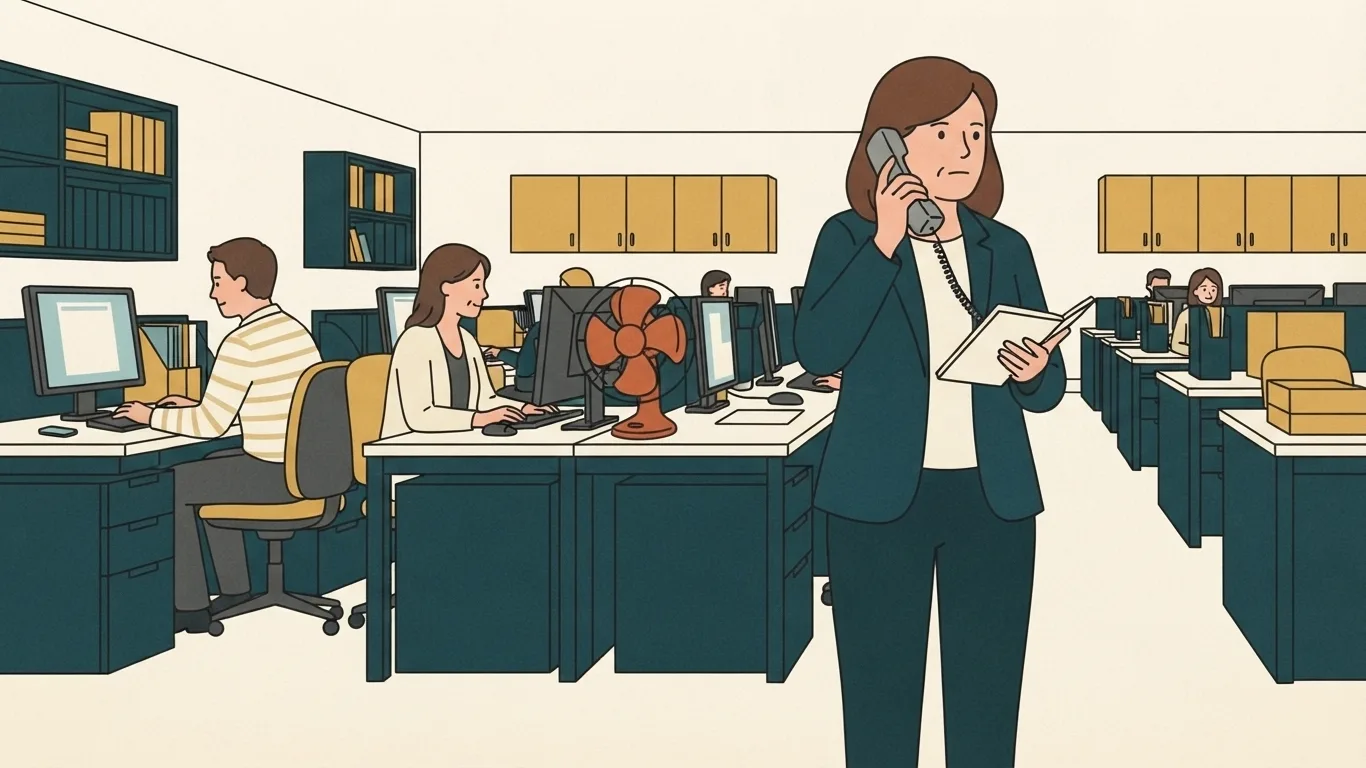
The next day Estes walked into Billy’s Beverage and found Paul Mardas and Marge Selbee behind the counter, printing tickets. As she later told Fagone, there was “not another soul in sight.”48
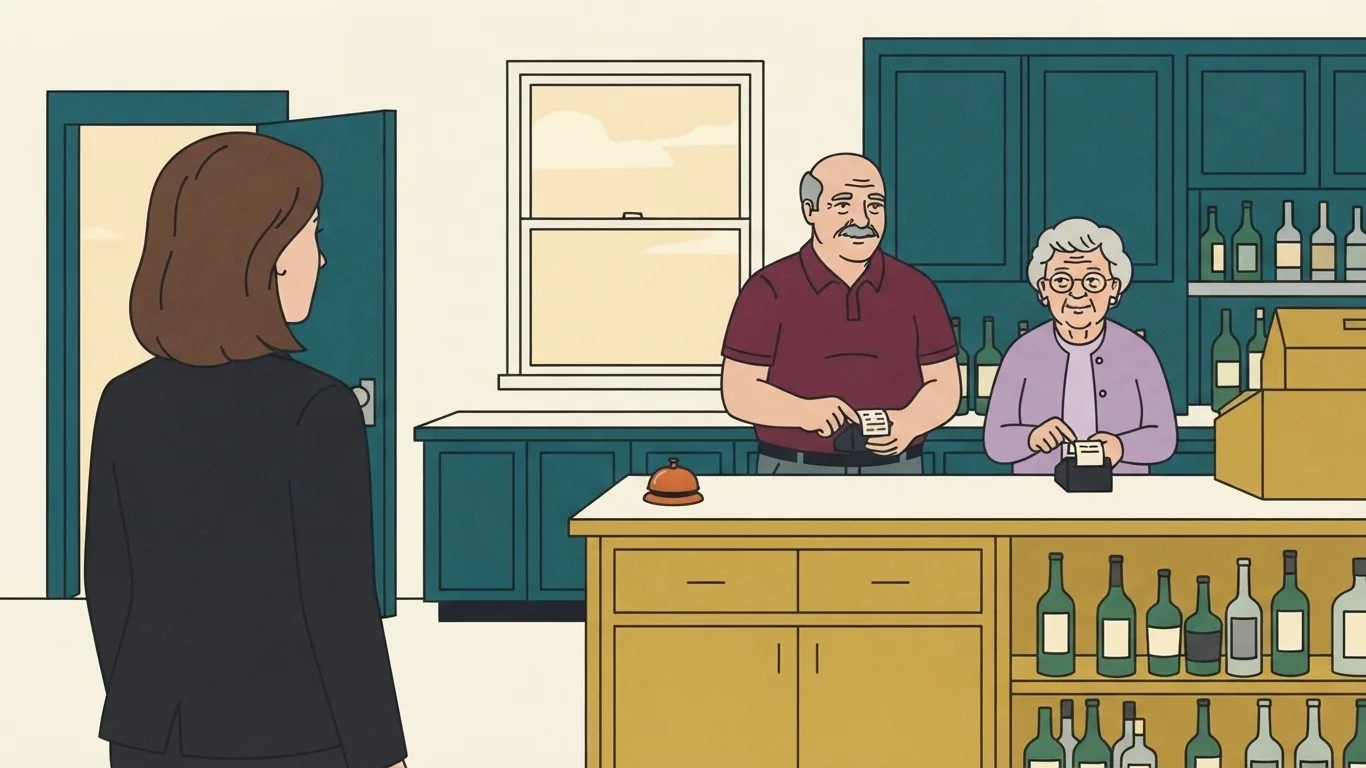
On Friday 15 July, all seven shops the teams used were told their licences would be taken away. The Lottery’s executive director, Paul Sternburg, told Sullivan that Grossman’s order was simple: “Do everything by the book.”49
On 21 July 2011, a letter gave shops two new rules. Buyers could not work the ticket machines. And shops could not open outside their normal hours just to sell lottery tickets.49
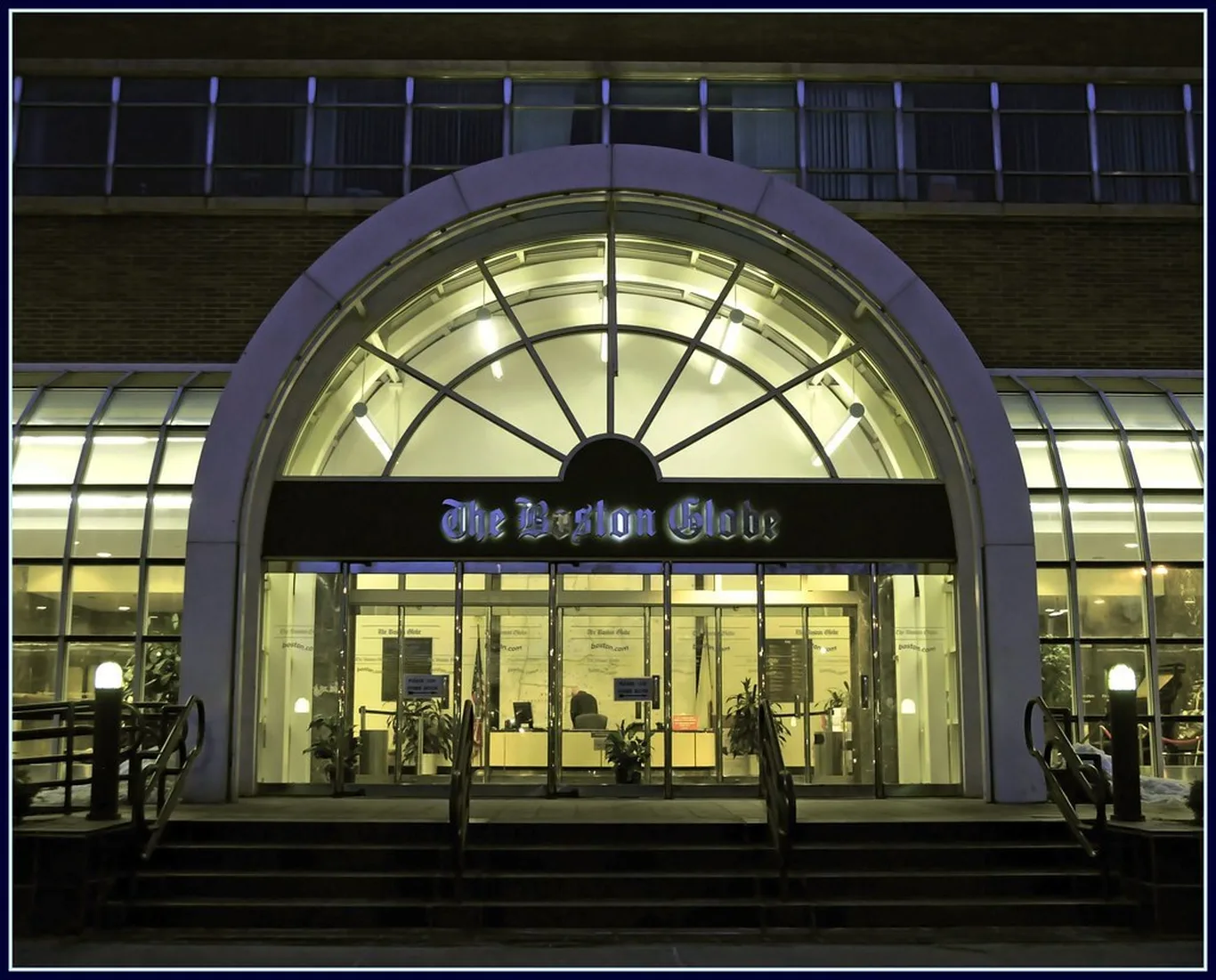
On 30 July 2011, the Globe published Estes’s story. It reported that the Selbees had bought $614,000 of tickets in three days that month.50
The Lottery gave the Globe a statement: “It is very important to note that their actions in no way compromised the operation or integrity of the game.” Sternburg called Cash WinFall “a niche game for a different audience”.50
On 10 August, the Lottery wrote to Billy’s and Jerry’s. It suspended them for 26 days, for letting a customer work the machine and for joining the Michigan club.51
The rule against letting a customer work the machine was new. Shops had first been told of it in the letter of 21 July, less than three weeks earlier. And both suspensions were lifted on the day the letters went out.51
In October 2011 Selbee told the Globe: “They knew exactly what we were doing. They were cooperating with this club and encouraging us to play.”52
That month, Grossman asked Sullivan to look into it. He said: “We felt this was an important step we needed to take to protect the integrity of the lottery.”53
Cash WinFall’s last drawing was in January 2012.54

What the Inspector General found about Cash WinFall
On 27 July 2012, Sullivan sent Grossman his findings. His staff read thousands of papers and met the Lottery’s officials and the four betting teams’ leaders.55
Sullivan wrote that the heavy betting “was legal and financially advantageous to the Lottery.”8
He found no proof that any Lottery official had worked in secret with the teams. The Lottery had failed from the start to set proper rules, and enforced its rules unevenly.55
Sullivan wrote that until the Globe began asking questions, “the Lottery welcomed the clubs because they boosted the Lottery’s profits.” He added that “they caused no real harm to other players.”44
His conclusion began: “I have concluded that Cash WinFall was a financial success for the Lottery.”8
The Globe reported that Sullivan asked for no further action.56 Grossman said he felt it was important “to essentially apologize to the public because a game was created that allowed syndicates to gain special opportunities that others did not have.”56
What the MIT team and the Selbees did with the winnings
By the time Sullivan’s staff met Harvey, he had swapped the Corsica for a 1999 Nissan Altima with high mileage.30
The Selbees kept every losing ticket, about $18 million worth, in some 60 plastic tubs. They sat in a barn in Evart, as proof of losses in case the tax authorities ever checked.57

Jerry told 60 Minutes the winnings paid for the house and a truck and trailer. They also paid for schooling for the children and grandchildren. He summed it up: “We don’t cruise.”58

Marge, at 80, told Fagone: “I really do miss it. I’m too young to quit working.”59

Over 7 years, all the players together bet about $300 million on Cash WinFall.60 In 2019, Sullivan, by then out of office, told 60 Minutes: “And the state got very rich. The state made $120 million.”61
The four teams’ betting alone had brought the Lottery $16 million.2 Sullivan found that nobody broke the law, and that other players came to no real harm.8 So the teams won millions, and the Lottery that let them play won far more.
Years later, in Fagone’s account, Jerry asked: “If you figured it out and you could do this, would you do it? I’m just asking. Would you?”62
Sources
-
Inspector General Gregory W. Sullivan, letter to Treasurer Steven Grossman, 27 July 2012 (archived copy), section “Background”: “In every roll-down drawing in the game’s history, for every $1 wagered, there was $1.15 (or usually more) sitting in the Cash WinFall prize pool to be shared among that drawing’s ticket holders.” $1.15 for each $1 is at least $2.30 for each $2 ticket, on average across all the tickets in the drawing. ↩ ↩2
-
Inspector General’s letter, 27 July 2012, section “High-volume bettors”: the four betting groups “collectively were responsible for wagering more than $40 million on Cash WinFall tickets - and generating $16 million in Lottery revenue.” 40 cents of each dollar on $40 million is $16 million. ↩ ↩2 ↩3
-
Inspector General’s letter, 27 July 2012, section “Violations of Lottery rules”: John Marino’s email of 14 April 2010 to Brian Taylor, the Lottery’s head of compliance; the two shops betting from 5 a.m. to 12.30 a.m. three days before a roll-down; “Everything is very organized and runs smoothly”; the forward to five senior staff, among them the then executive director Mark Cavanagh, Alfred Grazioso and Paul Mandeville; “no substantive emailed response”; the only reply, a joke whose writer the letter does not name; and “Lottery officials - all the way up to the then executive director - had known since April 2010 that the two agents were members of the Michigan Club.” ↩ ↩2 ↩3 ↩4 ↩5 ↩6
-
Inspector General’s letter, 27 July 2012, section “Dec. 27, 2010 Drawing”: “Records show that at 11:36 a.m. on Dec. 24, Lottery chief of staff Alfred J. Grazioso Jr. received an email from his administrative assistant stating ‘Cash WinFall guys are trying to make it roll again.’ It appears she was passing along a message received from Paul Mandeville, a top official in the Lottery’s technology department.” When he raised the alarm, Mandeville “only knew that several Lottery agents had asked the Finance Department to increase their sales limits.” The 11.36 is the time of the email; the letter gives no time for the phone call by the owner of Billy’s. ↩ ↩2 ↩3 ↩4
-
Inspector General’s letter, 27 July 2012, section “Background”: the jackpot “was capped at $2 million. If the jackpot reached $2 million and no one matched all six numbers, the money in the jackpot was distributed among the lower tier prizes for that drawing. The Lottery referred to this as a ‘roll-down’”. The letter’s worked example shows the money going to the match-five, match-four and match-three prizes. ↩ ↩2
-
Inspector General’s letter, 27 July 2012, section “Dec. 27, 2010 Drawing”: “the MIT group attempted to repeat their strategy and again began buying tickets in huge numbers, apparently hoping to generate a surprise roll-down as the group had done four months earlier.” ↩ ↩2
-
Inspector General’s letter, 27 July 2012, section “Background”: “The Lottery designed Cash WinFall to pay out 60 cents of every dollar wagered, leaving 40 cents for the Lottery to run its own operations and distribute to cities and towns in the form of local aid.” ↩ ↩2 ↩3
-
Inspector General’s letter, 27 July 2012, section “Conclusion”: “I have concluded that Cash WinFall was a financial success for the Lottery”, and “The emergence of individuals and groups buying large volumes of tickets was legal and financially advantageous to the Lottery.” The letter also records that some shops broke the Lottery’s own rules for its sales agents, and it found “no evidence that any Lottery officials engaged in collusion”. ↩ ↩2 ↩3 ↩4
-
Inspector General’s letter, 27 July 2012, section “August 16, 2010 Drawing”: the MIT group “took the Lottery, the other syndicates and everyone else by surprise”, with a roll-down “that was never announced to bettors on the Lottery website”; the technology staff “were just as surprised as Mr. Selbee to see a roll-down”. The 2005 analysis is in the same section. ↩
-
Inspector General’s letter, 27 July 2012, section “Dec. 27, 2010 Drawing”: Paul Mardas, “the owner of Billy’s Beverage and a member of the Michigan betting group, called Lottery headquarters on Dec. 24 to find out if anyone was selling large numbers of tickets. Mr. Selbee said he is not sure to whom Mr. Mardas spoke, but he learned five retailers had substantially increased their sales limits.” Selbee said he was “several hours behind whoever started buying tickets that morning.” This is Selbee’s account. ↩ ↩2 ↩3
-
Inspector General’s letter, 27 July 2012, section “The MIT Group”: “When Mr. Harvey and a fellow MIT alumnus, Yuran Lu, incorporated their betting enterprise in 2010, they named it Random Strategies Investments LLC in honor of the dorm where the Cash WinFall plan was launched.” Harvey and members of the group kept playing after graduation. ↩ ↩2
-
Inspector General’s letter, 27 July 2012, section “The Michigan Group”: Gerald Selbee “for about 17 years operated a retail store, which was an outlet for the Michigan lottery.” ↩ ↩2
-
Inspector General’s letter, 27 July 2012, section “Dec. 27, 2010 Drawing”: by Selbee’s account, “a man he believed to be one of Mr. Harvey’s partners, Yuran Lu, knocked on the door of Jerry’s Place on Christmas Day. The store was closed but Mr. Selbee was busy at the Lottery terminal buying some of the 45,000 tickets he purchased that day.” Selbee “got the impression Mr. Lu wanted the two groups to ‘collude’ in some way”, perhaps by sharing out the roll-downs between them, and rebuffed him “so quickly in fact that Mr. Lu never got a chance to explain”. Harvey “said that Mr. Lu did go to Jerry’s Place on Christmas Day”, “did not know exactly what Mr. Lu’s intent was”, said the two groups “had a mutual interest in ensuring there would be a roll-down while avoiding excessive betting that would put the jackpot well over $2 million”, and said his group would not have wanted to share roll-downs. ↩ ↩2 ↩3 ↩4
-
Inspector General’s letter, 27 July 2012, section “Background”: the Lottery launched Cash WinFall in September 2004; “Each $2 bet entitled a Cash WinFall customer to pick six numbers between 1 and 46”, with “Monday and Thursday night drawings”. The rules are also on the Lottery’s own Cash WinFall page, as archived in 2010. ↩
-
Arithmetic on the letter’s figures (Inspector General’s letter, 27 July 2012, section “Background”): $1.15 of prize money for each $1 bet is $2.30 for a $2 ticket on a roll-down night; on an ordinary night the game was designed to pay out 60 cents of each dollar, which is $1.20 for a $2 ticket. Both are averages across all the tickets in a drawing. ↩
-
Inspector General’s letter, 27 July 2012: “The Lottery publicizes jackpot estimates for its games.” ↩
-
Inspector General’s letter, 27 July 2012, section “Background”: the jackpot reached $2 million 45 times, and only once, on 10 July 2008, did someone match all six numbers. The letter counts 44 roll-downs. ↩
-
CBS News, 60 Minutes, Jon Wertheim, “How a retired couple found lottery odds in their favor”, 27 January 2019: “Evart, Michigan, population 1900.” ↩
-
CBS News, 60 Minutes, Jon Wertheim, “How a retired couple found lottery odds in their favor”, 27 January 2019: in 2003 Jerry Selbee “spotted a brochure for a brand new lottery game called Winfall”, and he says working out the loophole took “Three minutes.” Inspector General’s letter, 27 July 2012, section “The Michigan Group”: “The Michigan game had the same roll-down feature once the jackpot reached $5 million.” ↩
-
Inspector General’s letter, 27 July 2012, section “The Michigan Group”: Selbee “formed an investment club”; by his account it was called G S Investment Strategies and had 32 members, 20 of them relatives. Marjorie Selbee is named in the same section. ↩
-
Inspector General’s letter, 27 July 2012, section “The Michigan Group”: “After Michigan officials ended the game in May 2005”. Jason Fagone, “The Lottery Hackers”, Highline (HuffPost), 1 March 2018: “Officials claimed that sales of Winfall tickets had been decreasing.” The Michigan Bureau of State Lottery’s annual report for fiscal 2005 records that “Classic Lotto 47 replaced Winfall and was introduced in May 2005.” ↩
-
Inspector General’s letter, 27 July 2012, section “The Michigan Group”: “On August 29, 2005, GS Investment Strategies played Cash WinFall for the first time. The Selbees bought 60,000 tickets for that drawing”, a “$120,000 wager”. The 900 miles is from CBS News, 60 Minutes, Jon Wertheim, “How a retired couple found lottery odds in their favor”, 27 January 2019; Fagone puts the drive at 700 miles. ↩
-
Inspector General’s letter, 27 July 2012, sections “The Michigan Group” and “Dec. 27, 2010 Drawing”: Billy’s Beverage in Sunderland and Jerry’s Place in Deerfield, whose owners “became members of G S Investment Strategies, Mr. Selbee said”; Paul Mardas, “the owner of Billy’s Beverage and a member of the Michigan betting group”. Boston Globe, Andrea Estes and Scott Allen, “A lottery game with a windfall for a knowing few”, 30 July 2011 places Jerry’s Place in South Deerfield. Sunderland and South Deerfield are both in Franklin County. ↩
-
Inspector General’s letter, 27 July 2012, section “The Michigan Group”: the group “relied on Quic Pics, a system that allows the Lottery’s computer to randomly choose the numbers on each betting slip”, and came to place 312,000 bets on a roll-down drawing. ↩
-
Inspector General’s letter, 27 July 2012, section “The Michigan Group”: “Mr. Selbee said he and his wife sorted the tickets by hand into winners and losers.” CBS News, 60 Minutes, Jon Wertheim, “How a retired couple found lottery odds in their favor”, 27 January 2019: they “holed up … in a room at the Red Roof Inn, sorting the tickets by hand for 10 hours a day, 10 days straight”. ↩
-
Inspector General’s letter, 27 July 2012, section “The Michigan Group”: Selbee, in a telephone interview. This is his own view of the game. ↩
-
Inspector General’s letter, 27 July 2012, section “The MIT Group”: “In January 2005, James M. Harvey was about to start his final semester at the Massachusetts Institute of Technology. Looking for an interesting independent study project for his last term”, he found Cash WinFall and its roll-down; his conclusion was that “during a roll-down, each ticket is worth more than it costs.” January 2005 is about seven months before the Selbees first played in Massachusetts. ↩ ↩2
-
Inspector General’s letter, 27 July 2012, section “The MIT Group”: Harvey pitched the idea at Random Hall, “About 50 people each put $20 into Mr. Harvey’s lottery pool for the Feb. 7, 2005 roll-down”, and the $1,000 came back as “about $3,000”. ↩
-
Inspector General’s letter, 27 July 2012, section “The MIT Group”: Harvey “declined to disclose what its profits were. The OIG estimated that the MIT group made at least $3.5 million before taxes, assuming that it had profits before taxes of a minimum of 20 percent during its seven-year participation in the game.” $3.5 million over 7 years is $500,000 a year. This is an estimate by the Inspector General’s office. ↩
-
Inspector General’s letter, 27 July 2012, section “The MIT Group”: “The rewards of his participation in Cash WinFall have not dramatically changed Mr. Harvey’s lifestyle.” His car “was a 1995 Chevrolet Corsica which he had purchased for $500 at a government auction”, and he later “upgraded his ride to a high-mileage 1999 Nissan Altima.” ↩ ↩2
-
Inspector General’s letter, 27 July 2012, section “The Boston University/Northeastern Groups”: on 10 July 2008 another betting group won the $2 million jackpot, and “Mr. Harvey, Mr. Selbee and Dr. Zhang all lost hundreds of thousands of dollars because the roll-down never materialized.” ↩
-
Inspector General’s letter, 27 July 2012, section “August 16, 2010 Drawing”: “if a jackpot hit $1.6 million without a winner, the Lottery’s website almost always posted a $2 million estimated jackpot for the next drawing. That’s when the high-volume bettors jumped in”. ↩ ↩2
-
Inspector General’s letter, 27 July 2012, section “August 16, 2010 Drawing”: in 2005 the IT department “did a risk analysis”. “In order to increase the jackpot from $1.7 million to $2 million, a player would have to buy $1 million worth of tickets. Assuming that player was using Quic Pics, he could spend $10 for five bets in three seconds or $200 a minute. That would require a minimum of 83 hours to buy 500,000 tickets … The IT department concluded that that couldn’t be done.” Then: “The MIT group did the same analysis regarding the time, effort and operational logistics of forcing a roll-down. They concluded that it could be done, and that the potential reward was worth the risk of trying.” 83 hours is just under three and a half days. ↩ ↩2 ↩3 ↩4 ↩5
-
Boston Globe, Andrea Estes, “Lottery officials helped high rollers see windfalls”, 15 October 2011: Selbee said the Lottery’s regional director in western Massachusetts personally thanked him for propping up flat sales. The spring 2006 date and the extra terminals and printers are as the Globe reported them. The Inspector General’s letter separately records a second betting terminal installed at Billy’s in February 2011 and at Jerry’s Place in March 2011. ↩
-
Inspector General’s letter, 27 July 2012, section “August 16, 2010 Drawing”: the plan meant “filling in about 2 million ovals on another 400,000 betting slips. ‘It took us about a year to ramp up to it,’ Mr. Harvey said.” ↩ ↩2
-
Inspector General’s letter, 27 July 2012: under the Lottery’s rules, players could not use computer-generated betting slips. The MIT group, unlike the Selbees, chose its own numbers. ↩
-
Inspector General’s letter, 27 July 2012, section “August 16, 2010 Drawing”: “No one won the $1,592,432 jackpot for the drawing on Aug. 12, 2010. The next morning, the Lottery posted its estimated jackpot for the Aug. 16 drawing: $1,675,000”, with the other bettors “believing Cash WinFall was still one or two drawings away from a roll-down”. ↩
-
Inspector General’s letter, 27 July 2012, section “August 16, 2010 Drawing”: “Over the next three-and-a-half days, they bought about 700,000 tickets from their usual retailers”, four shops; “Of every eight tickets sold for the Aug. 16 drawing, the MIT group would be sitting on seven of them”; “No one won the jackpot so $2,128,979 rolled down”; and “on its $1.4 million wager, the MIT group made a $700,000 cash profit.” ↩ ↩2 ↩3
-
Inspector General’s letter, 27 July 2012, section “August 16, 2010 Drawing”: the four shops “contacted the Lottery’s Finance Department for waivers, which were granted”, and the IT department “was not notified”; the email of 18 August 2010 between two top technology managers; “The author of the email was incorrect about who had pushed the roll-down, mistakenly attributing it to Mr. Selbee’s group”; and “The information technology department immediately installed new software programming to prevent a repeat of the surprise roll-down.” ↩ ↩2 ↩3
-
Inspector General’s letter, 27 July 2012, section “Dec. 27, 2010 Drawing”: nobody won the jackpot on 23 December; “Early the next morning, the Lottery posted its estimated jackpot - $1,675,000”; Mandeville “wanted to wait until the Lottery’s calculations could be based one day’s worth of actual sales”; “it was reasonable for the Lottery to wait to make the change”; the estimate was updated in the end-of-day processing “which begins after the last Keno drawing at 1 a.m. - even on Christmas Day”; and “messages were sent to all retailers every three hours”. The letter prints the 23 December jackpot as both $1,586,207 and $1,585,207, so neither is used here. ↩ ↩2 ↩3
-
Jason Fagone, “The Lottery Hackers”, Highline (HuffPost), 1 March 2018: “‘I’m from the other club, and I think it would be mutually beneficial if we knew how much money each of us were playing,’ Jerry would later claim Lu told him.” Selbee “shook his head and closed the door. Lu walked away.” Fagone writes that Lu did not answer his requests for an interview. ↩
-
Inspector General’s letter, 27 July 2012, section “Dec. 27, 2010 Drawing”: “the two stores that participated in Mr. Selbee’s betting operation each sold about 155,000 Cash WinFall tickets for the Dec. 27, 2010 drawing”; “It does not appear that Mr. Selbee’s group was at a measurable disadvantage for this drawing. Others appear not to have begun betting until after the Lottery changed the estimate.” The MIT group “were unsuccessful because the Lottery had put in place an early warning system”. ↩ ↩2
-
Boston Globe, Andrea Estes, “Lottery officials helped high rollers see windfalls”, 15 October 2011: “On Dec. 27, 2010, the jackpot hit $2.3 million. No one matched all six numbers and the rolldown occurred”, and “The prizes were smaller because this time, everyone played.” The Inspector General’s letter does not give the result of that drawing. ↩
-
Inspector General’s letter, 27 July 2012, section “Violations of Lottery rules”: “after the Boston Globe started asking questions about the betting clubs, the Lottery effectively shut them down. Until then, the Lottery welcomed the clubs because they boosted the Lottery’s profits - and they caused no real harm to other players.” ↩ ↩2
-
Wikipedia, “Steven Grossman (politician)”: Treasurer of Massachusetts from 17 January 2011. Boston Globe, Andrea Estes, “Inspector says Mass. lottery knew of WinFall schemes”, 31 July 2012 describes him as the Treasurer “who oversees the lottery”. ↩
-
Jason Fagone, “The Lottery Hackers”, Highline (HuffPost), 1 March 2018: Estes “got a tip from a state employee in June 2011.” ↩
-
Inspector General’s letter, 27 July 2012, section “Violations of Lottery rules”: on 11 July 2011 a letter signed by the general counsel, William J. Egan Jr., “spelled out the same rules identified as crucial back in 2005”, among them that “players can’t use computer-generated betting slips”. ↩
-
Jason Fagone, “The Lottery Hackers”, Highline (HuffPost), 1 March 2018: “When she walked into the store, she encountered a man and a woman behind the counter, printing lottery tickets - Mardas and Marge - and not another soul in sight.” The Inspector General’s letter dates the Egan letter to 11 July 2011, “just as a Boston Globe reporter was preparing to visit Billy’s and Jerry’s”. ↩
-
Inspector General’s letter, 27 July 2012, opening pages and section “Violations of Lottery rules”: “On Friday, July 15, 2011, the Lottery sent all seven stores notices that their Lottery licenses were going to be revoked”; Paul Sternburg said “his instructions from Treasurer Grossman were simple, ‘Do everything by the book.’” Egan’s letter of 21 July “lays out two rules for the first time: 1) customers cannot operate the Lottery terminal and 2) agents cannot operate outside their normal business hours solely to sell Lottery tickets.” ↩ ↩2
-
Boston Globe, Andrea Estes and Scott Allen, “A lottery game with a windfall for a knowing few”, 30 July 2011: Marjorie Selbee bought $307,000 of tickets at Billy’s over three days from 12 July, and Gerald Selbee spent $307,000 at Jerry’s Place, $614,000 in all; the Lottery’s statement; and Sternburg’s words. The story ran on the front page in print on 31 July 2011. ↩ ↩2
-
Inspector General’s letter, 27 July 2012, section “Violations of Lottery rules”: “On Aug. 10, the Lottery sent letters to Billy’s and Jerry’s saying they had been suspended for 26 days for allowing a customer to operate the Lottery terminal and for being members of the Michigan Club. Their suspensions were lifted the same day the letters went out.” The Lottery “didn’t tell its agents that customers couldn’t operate the ISYS terminal until July 21”. ↩ ↩2
-
Boston Globe, Andrea Estes, “Lottery officials helped high rollers see windfalls”, 15 October 2011. This is Selbee’s view; the Inspector General later found no evidence that any Lottery official had colluded with the teams. ↩
-
Jason Fagone, “The Lottery Hackers”, Highline (HuffPost), 1 March 2018: Grossman’s words, on his request for the Inspector General’s review. The letter itself opens: “At your request, my office conducted a review”. ↩
-
The Inspector General’s letter, 27 July 2012, dated July 2012, refers to “the conclusion of Cash WinFall earlier this year”. USA Mega, “Lottery News for January 2012” lists the final drawing in January 2012. ↩
-
Inspector General’s letter, 27 July 2012, page 1: “My staff reviewed thousands of documents and interviewed relevant Lottery employees. We also interviewed principal members of the most active high-volume betting groups”; “the Lottery failed at the outset of Cash WinFall to establish an adequate set of rules”; “the Lottery was inconsistent about enforcing the rules it did have on the books”; and “no evidence that any Lottery officials engaged in collusion with respect to Cash WinFall.” The section “High-volume bettors” names the four groups whose leaders were interviewed. ↩ ↩2
-
Boston Globe, Andrea Estes, “Inspector says Mass. lottery knew of WinFall schemes”, 31 July 2012: “the inspector general recommended no further action”, and Grossman’s words, which the Globe’s sentence continues past “did not have”. ↩ ↩2
-
CBS News, 60 Minutes, Jon Wertheim, “How a retired couple found lottery odds in their favor”, 27 January 2019: “$18 million worth of losing tickets”, and Marge Selbee: “we had probably 60, 65 tubs of tickets”, stored in the barn. Jason Fagone, “The Lottery Hackers”, Highline (HuffPost), 1 March 2018: they kept the losing tickets in “large plastic tubs that they stored in a barn out back. That way, there would always be a paper trail for the IRS.” ↩
-
CBS News, 60 Minutes, Jon Wertheim, “How a retired couple found lottery odds in their favor”, 27 January 2019: the Selbees put their winnings into renovating their home and helping their children and grandchildren pay for their education, and Jerry Selbee’s words, “We don’t cruise.” The truck and trailer are from the same 60 Minutes broadcast. ↩
-
Jason Fagone, “The Lottery Hackers”, Highline (HuffPost), 1 March 2018: Fagone gives Marge Selbee’s age as 80; “‘I really do miss it,’ she said. ‘I’m too young to quit working.’” ↩
-
Inspector General’s letter, 27 July 2012, section “Conclusion”: “It generated about $300 million in ticket sales, with nearly $120 million of that going to Lottery operations and the pool of funds distributed to cities and towns.” The game ran from 2004 to 2012, about 7 years of drawings. ↩
-
CBS News, 60 Minutes, Jon Wertheim, “How a retired couple found lottery odds in their favor”, 27 January 2019: Greg Sullivan, “And the state got very rich. The state made $120 million.” His second and last term as Inspector General ended in August 2012, according to the Office of the Inspector General’s 2012 annual report. ↩
-
Jason Fagone, “The Lottery Hackers”, Highline (HuffPost), 1 March 2018: “‘If you figured it out and you could do this, would you do it?’ Jerry would say later. ‘I’m just asking. Would you?’” ↩