 Open Books

In July 2023, a man offered a Pokémon card for sale, a Venusaur printed in 1999. A buyer paid $10,500 for it, and the buyer was working for the FBI.1
The card inside the case was genuine. The grade printed on the label, according to federal prosecutors, had been forged.2
The seller was a man called Anthony Curcio. Years before, he had robbed an armoured car and escaped down a creek on an inner tube, and a federal judge sent him to prison for it.3 When he came out he became a motivational speaker, and toured schools telling teenagers how he had turned his life around.4
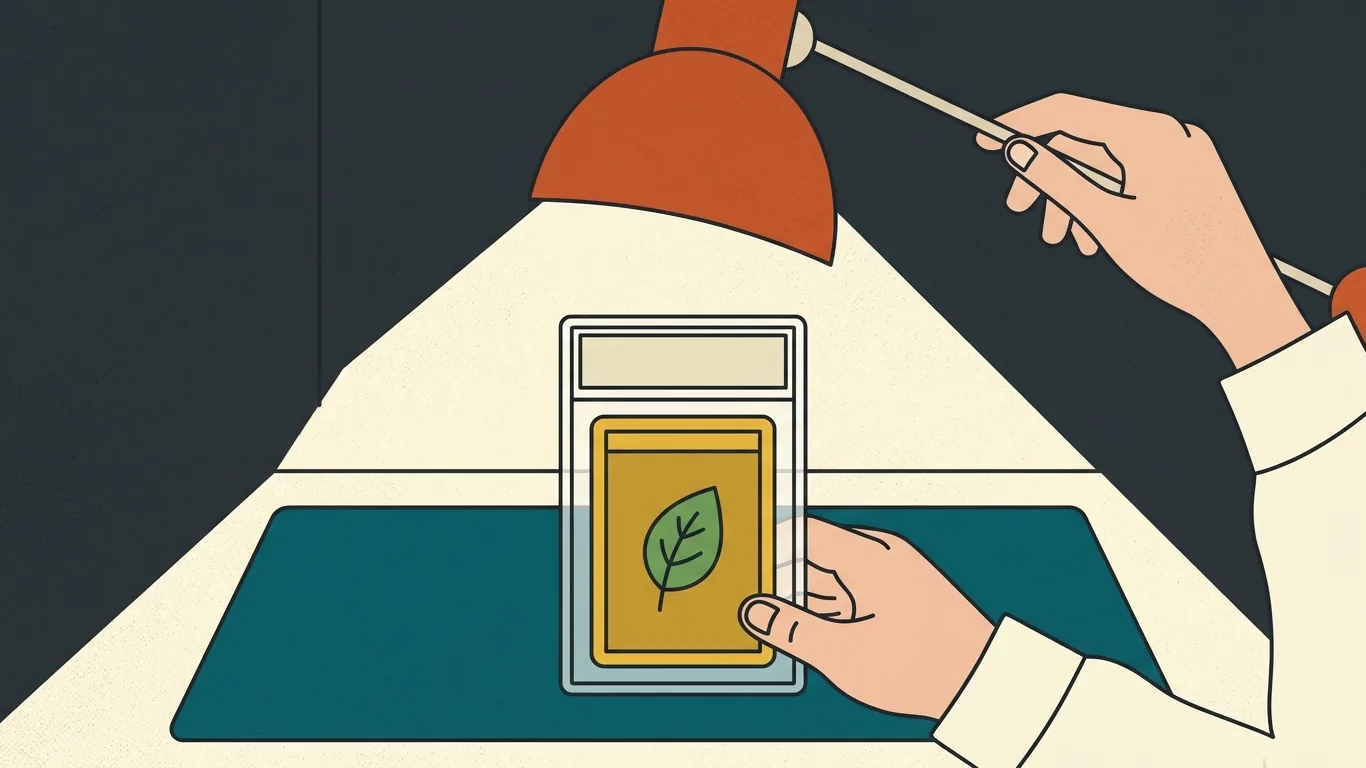
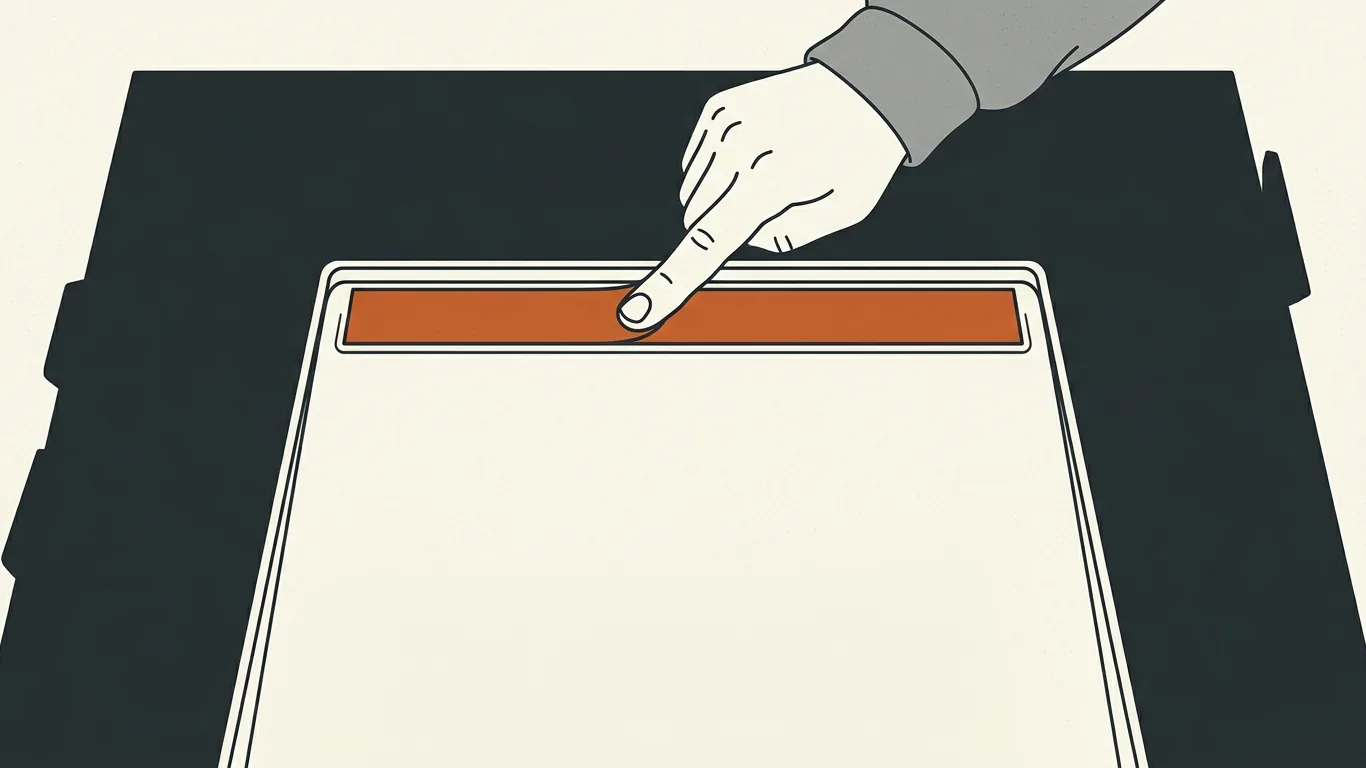
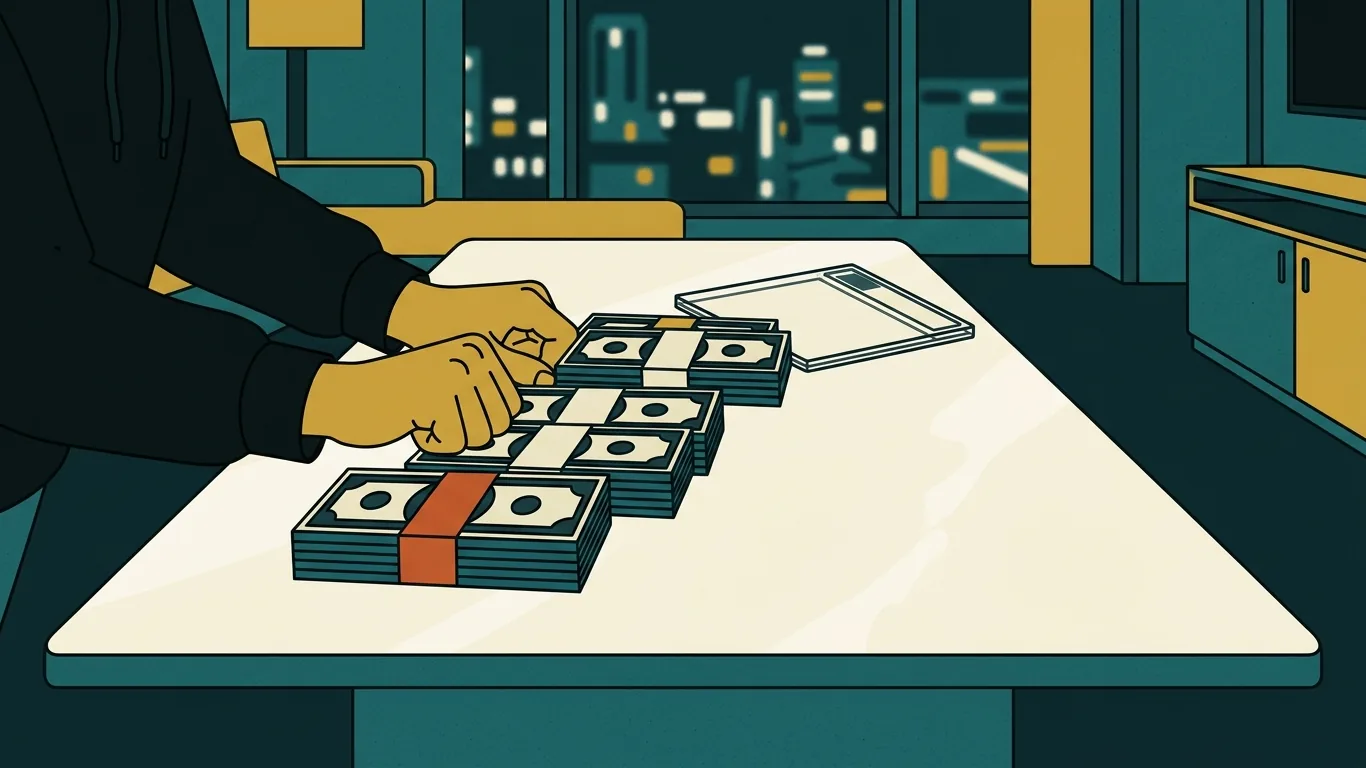
A graded card arrives sealed in a hard plastic case, and the grade is printed on a label fixed to the case. Curcio took genuine cases and cleaned the grade off their labels. According to the evidence at his trial, he then printed a new grade and a new serial number.2
A card graded low came back out in a case that said nine or ten. The case was genuine, the card was genuine, and the number was his.
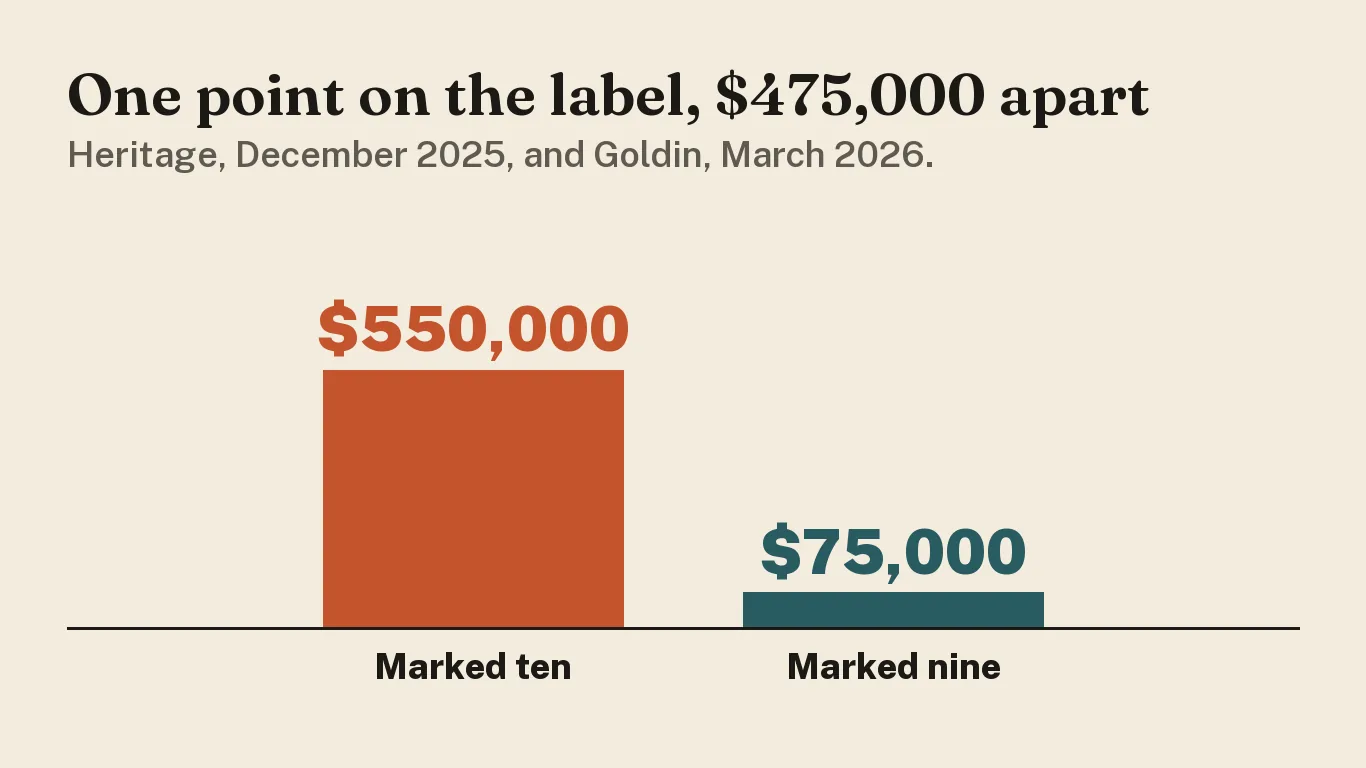
In December 2025, a first edition Charizard from 1999 sold at auction for $550,000. The grade on its label was a ten.5 In March 2026, another copy of the same card sold for $75,000. The grade on that one was a nine.6
One point on a label was worth nearly half a million dollars.7
D.B. Tuber
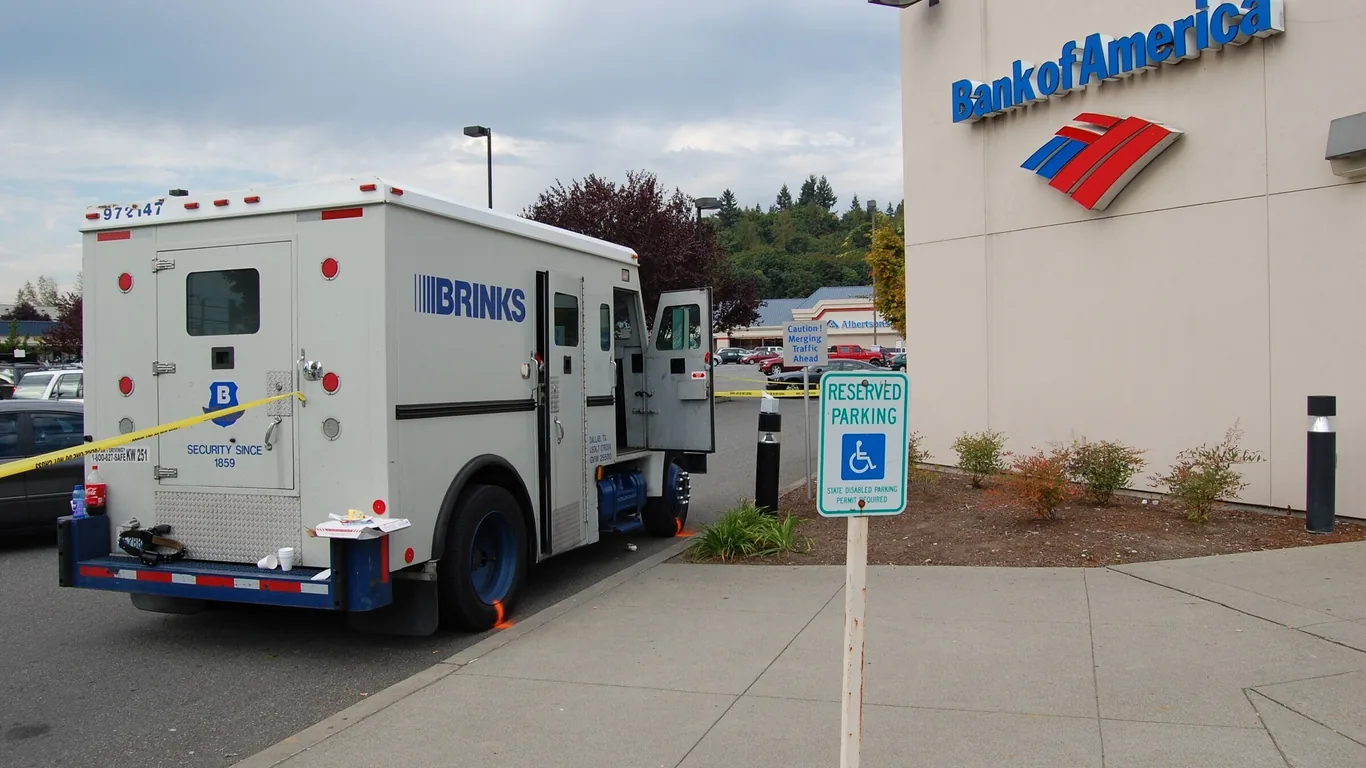
On 30 September 2008, an armoured car stopped outside a bank in Monroe, a small town outside Seattle. A man dressed as a landscaper walked up to the courier and sprayed him in the face with mace. He took about $400,000.8

Standing near the bank that morning were about a dozen other men, dressed almost exactly like him. He had hired them through an advert on Craigslist for labourers with landscaping experience. The advert told them to wear a yellow safety vest and a blue shirt.9
In the confusion he ran to a creek and got onto an inner tube. He pulled himself away along a cable he had strung across the water.3
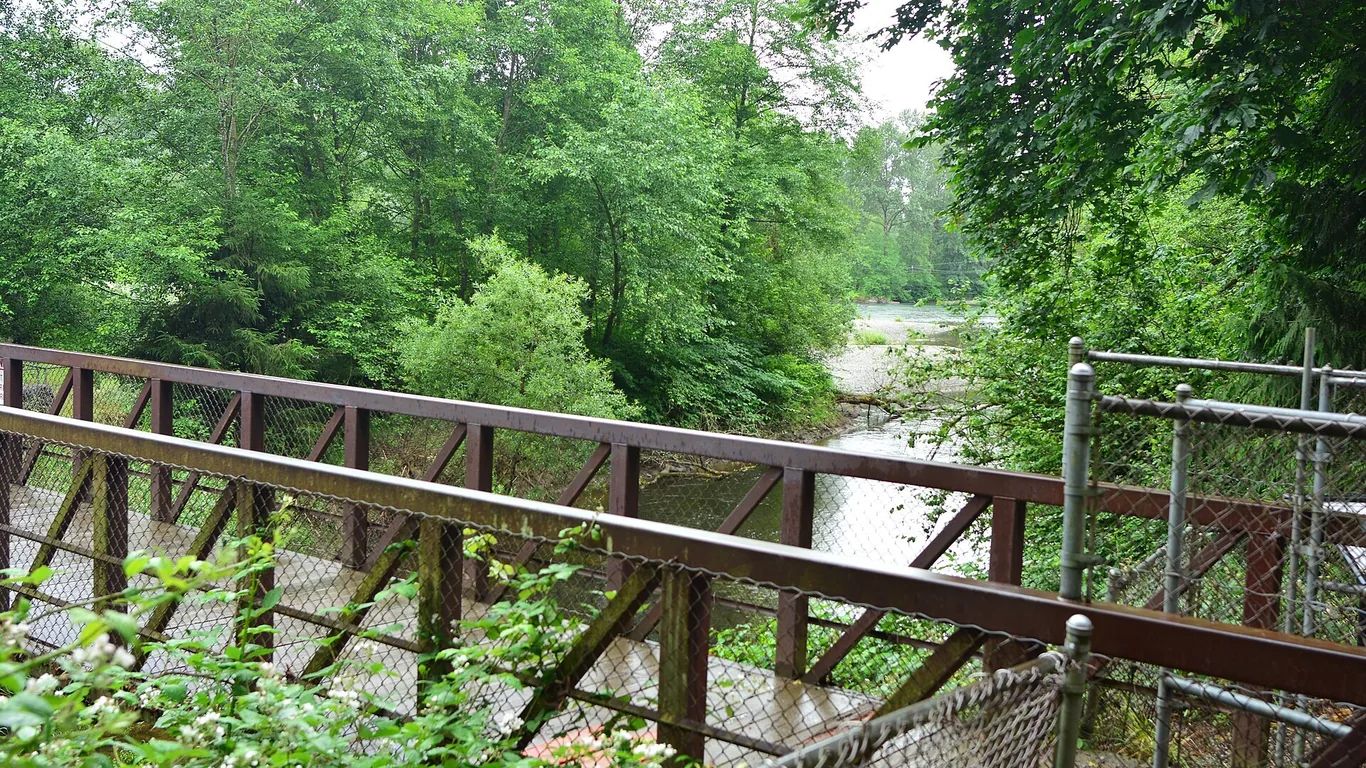

The local papers called him D.B. Tuber, after the hijacker D.B. Cooper.9 His name was Anthony Curcio, a 28-year-old former high school sports star from the same town.8
The plan had taken him nearly a year.3 His freedom lasted eight weeks.8 A homeless man had noted his licence plate, and the DNA on a wig he had thrown away was his. Prosecutors said he took his friends to Las Vegas and bought luxury goods, and he was arrested in a new Range Rover after a shopping spree.3
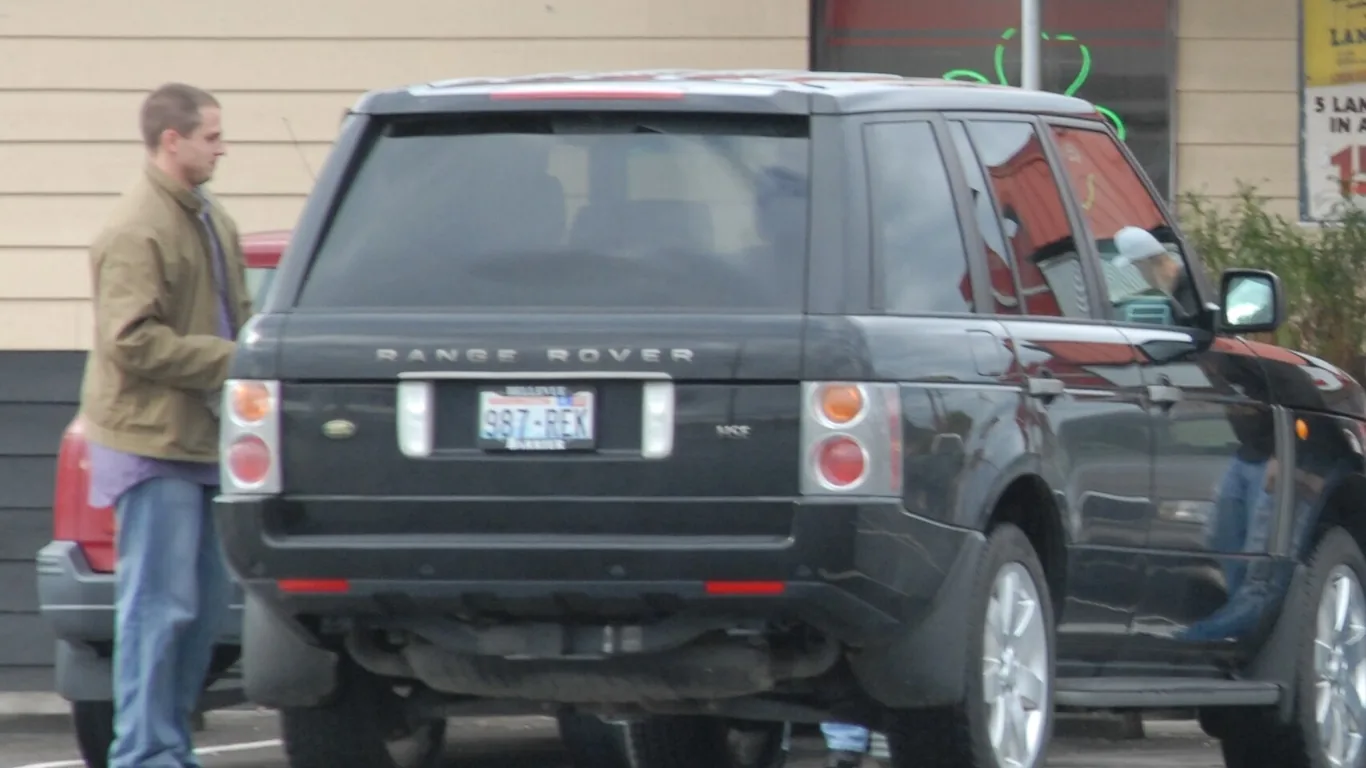

In July 2009, a federal judge in Seattle sentenced him to 72 months in prison. About $220,000 of the money was recovered.8

The second act
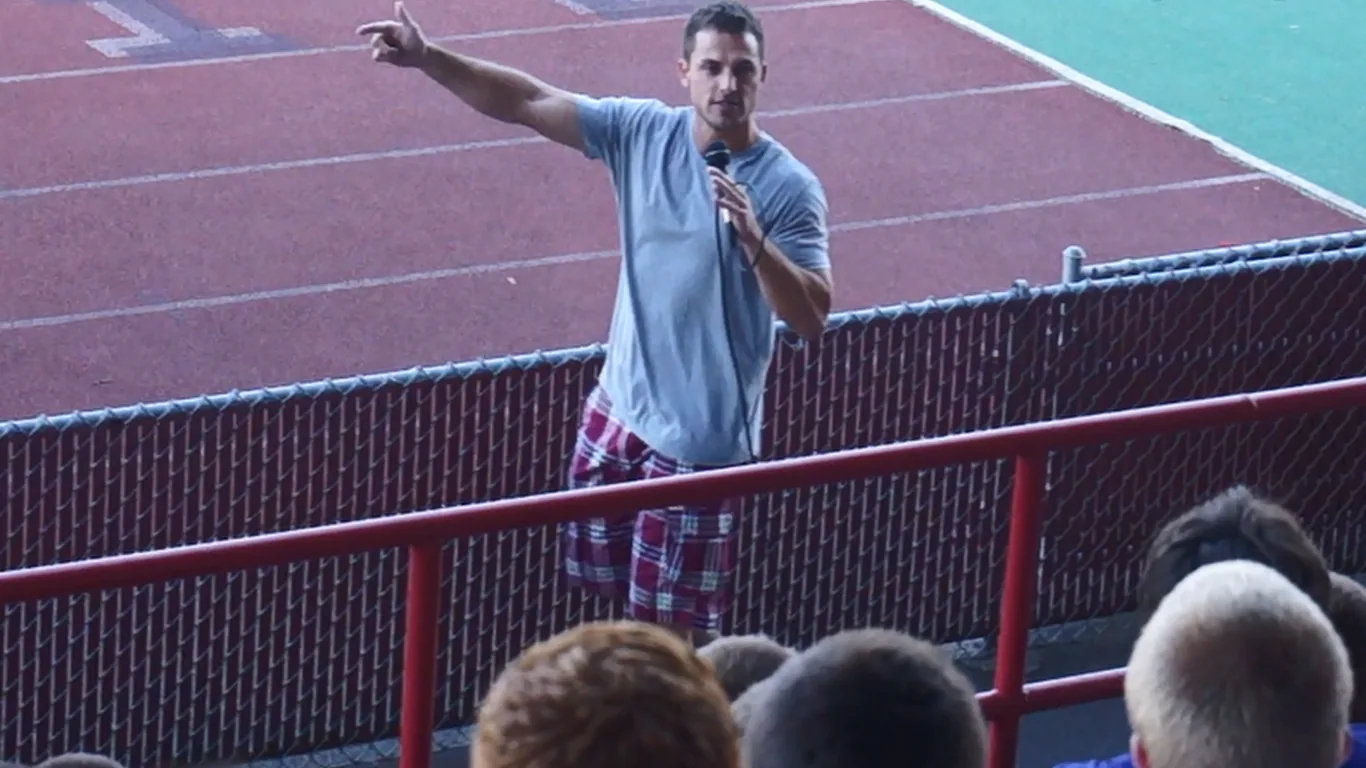
By his own account, Curcio was released from federal prison in April 2013.4 In prison, he says, he wrote more than twenty children’s books.10 He published a memoir called Heist and High, and in 2016 he gave a TEDx talk about his armoured car heist.11
He spoke to school assemblies about drugs and crime.4

In 2020, according to Business Insider, he sold a gym he owned and bought a collection of trading cards.12
$20,000
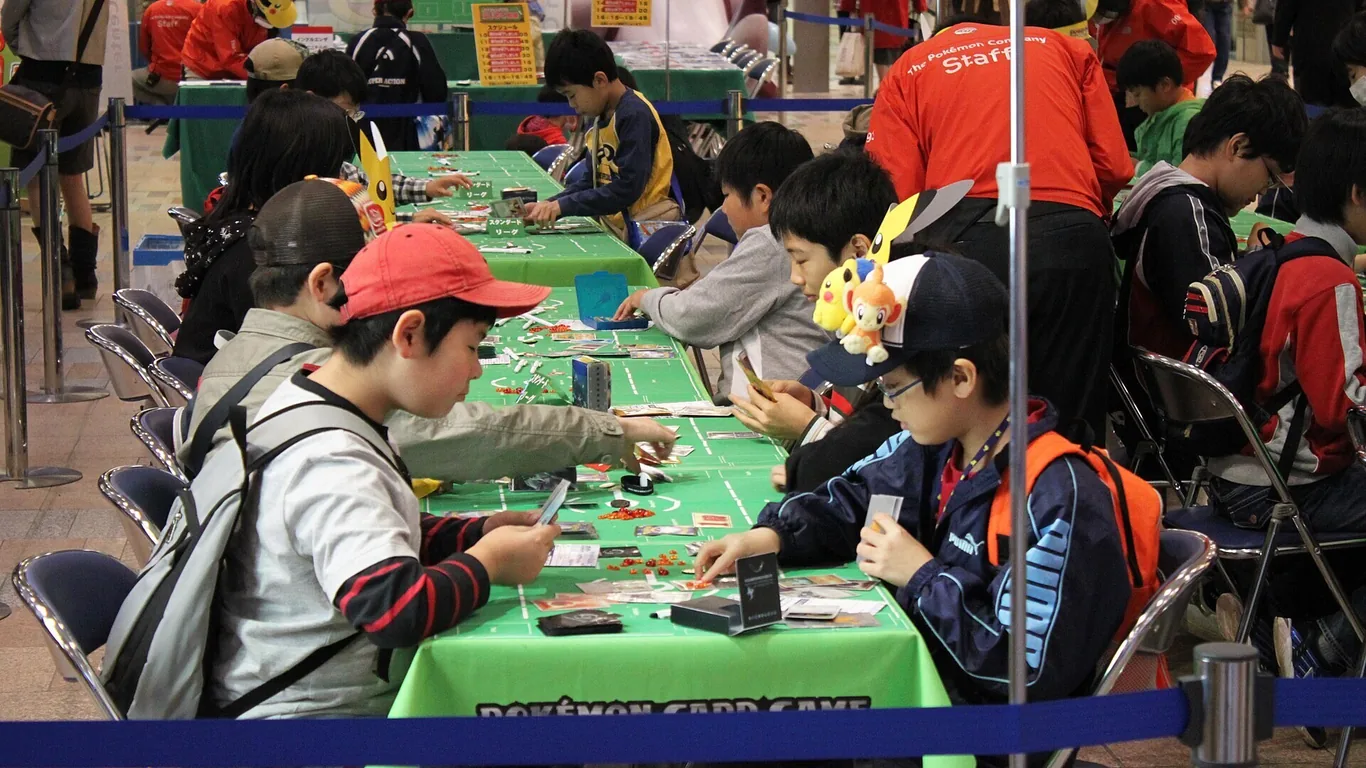
When Pokémon cards first reached Britain in 1999, a pack cost about two pounds.13 A generation of children bought them, swapped them in playgrounds, and forgot about them in shoeboxes.

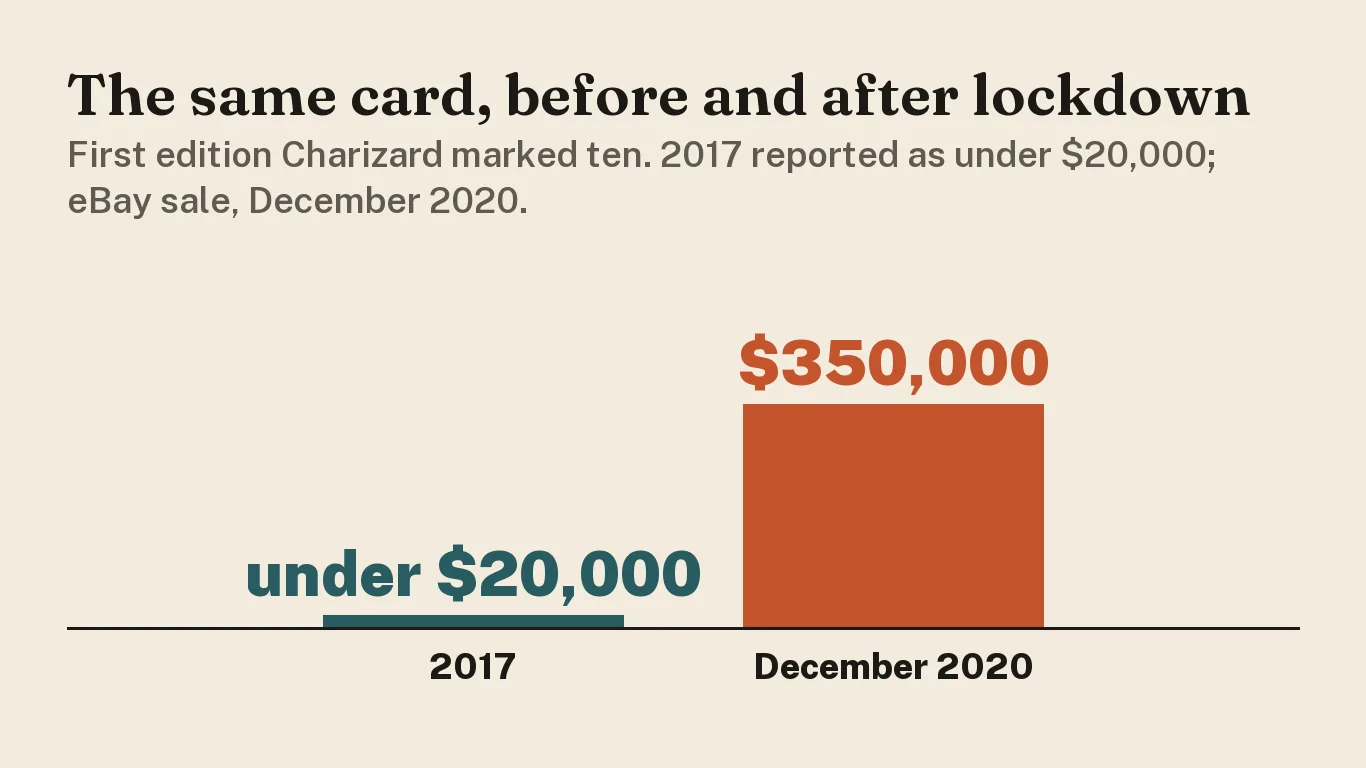
As late as 2017, a first edition Charizard in a case graded ten was worth under $20,000.14 Then came the lockdowns of 2020. By December 2020, one sold for $350,000.15
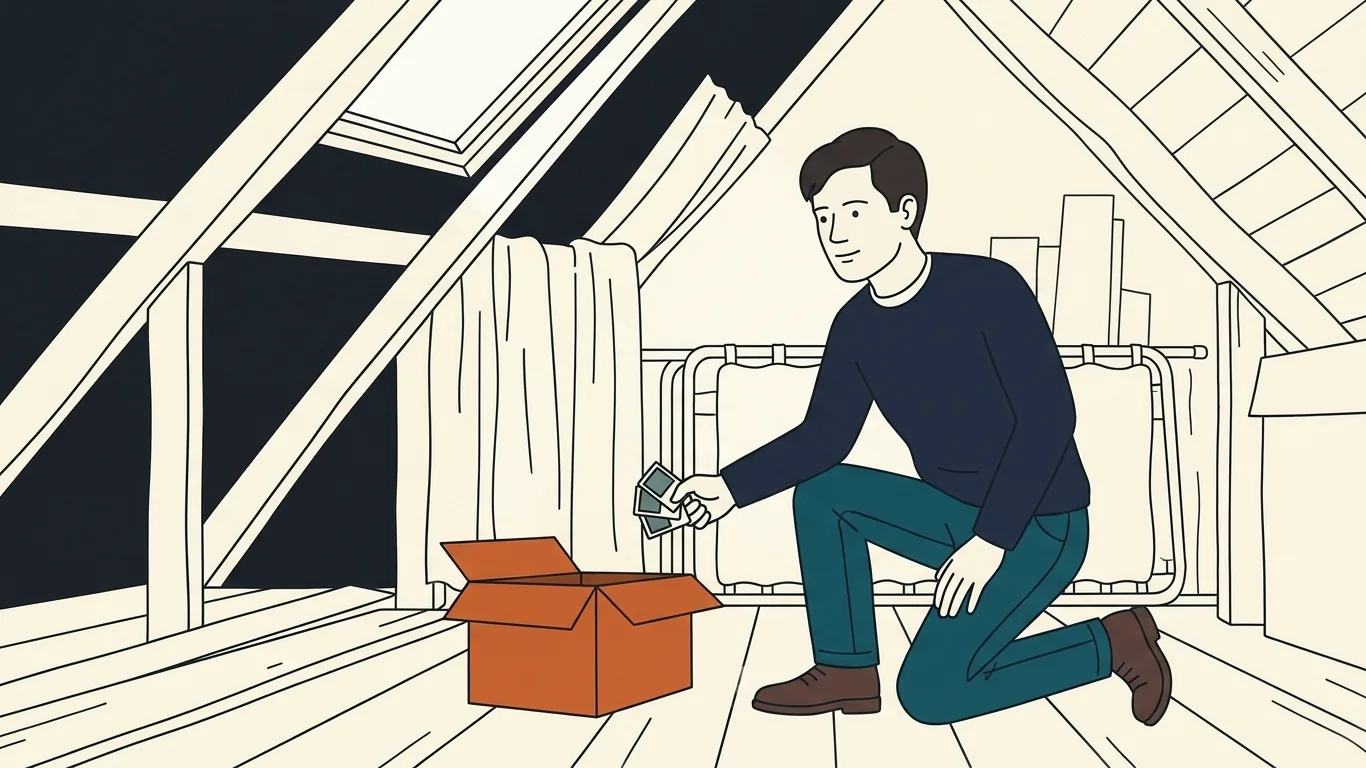
In April 2026, a teaching assistant in Britain called Andrew Braund went up into the attic of his old family home. He came down with three Charizards. He had hoped they might fetch £25,000. They sold for £32,800, and paid for his wedding.16
“I’ve absolutely lucked out,” he told reporters.17
$10.27
The price of a rare card depends on its condition, and condition is a matter of opinion. So collectors pay a company to turn that opinion into a number. The biggest of those companies is called Professional Sports Authenticator, or PSA.18
PSA takes a card, grades it from one to ten, and seals it in a case with the grade printed on the label.19 Anyone wanting to examine the card would have to break that seal. A buyer is not meant to check the card, because that is what the label is for.
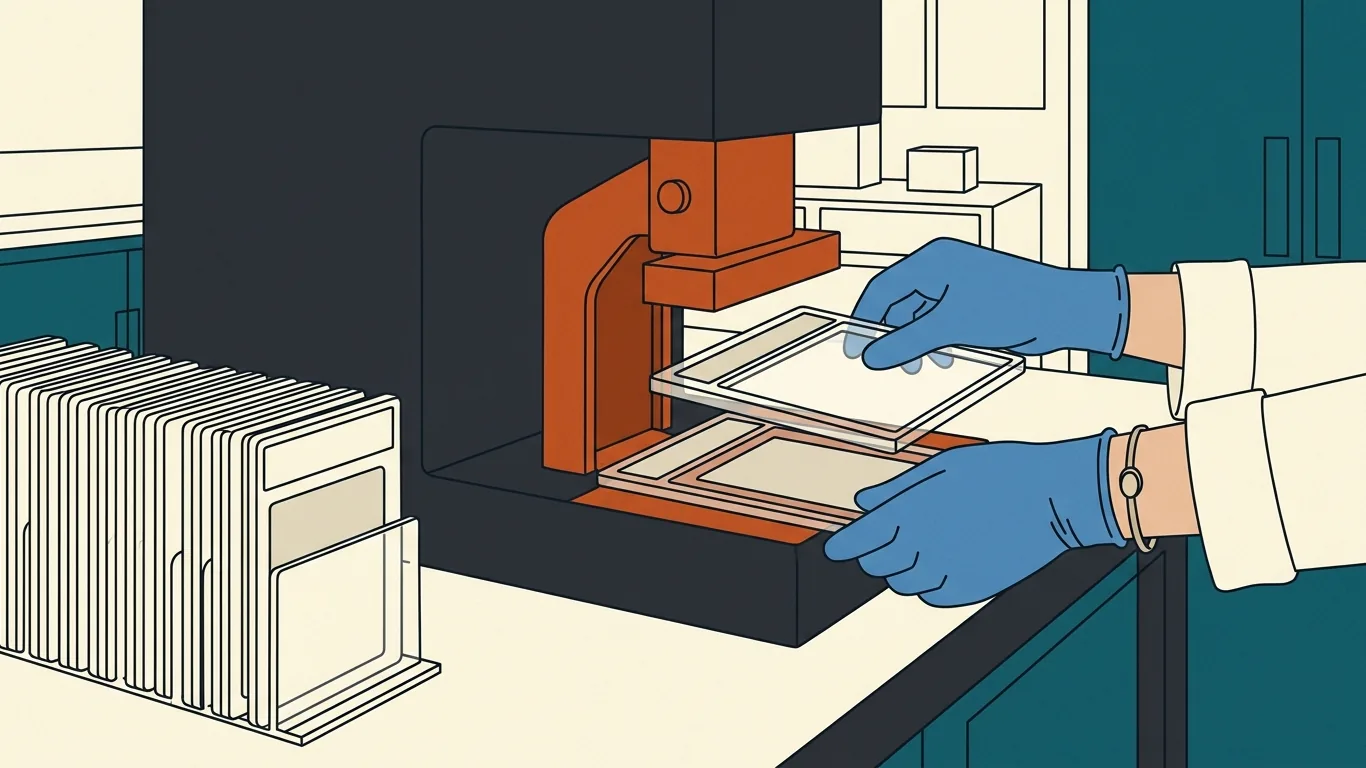
The last time the company had to publish its accounts, grading a card cost an average of $10.27.19
What PSA produced was scarcity. PSA has graded roughly five thousand first edition Charizards. About 125 of those cards came back as a ten.20
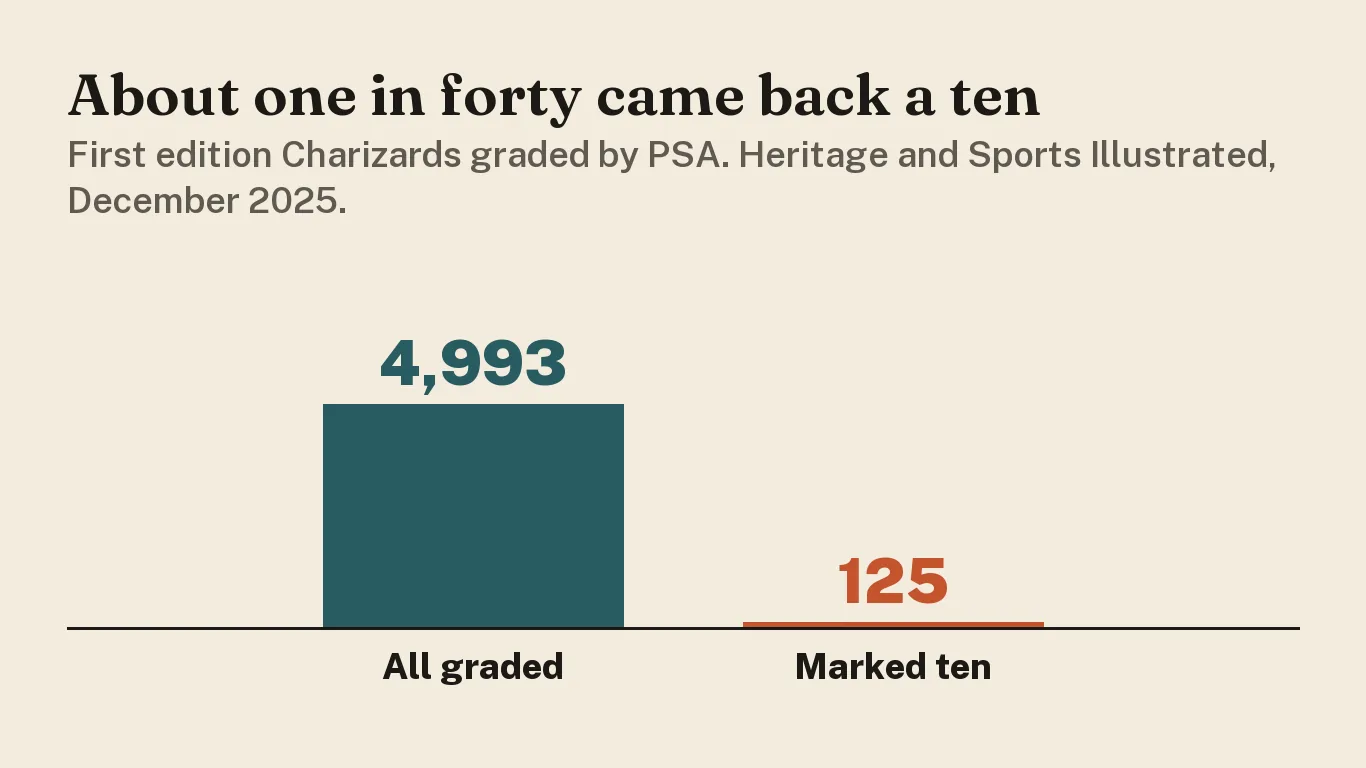
The difference between a nine and a ten is the judgement of a grader in Santa Ana, California.19 The buyer will never meet the grader.
$853 million
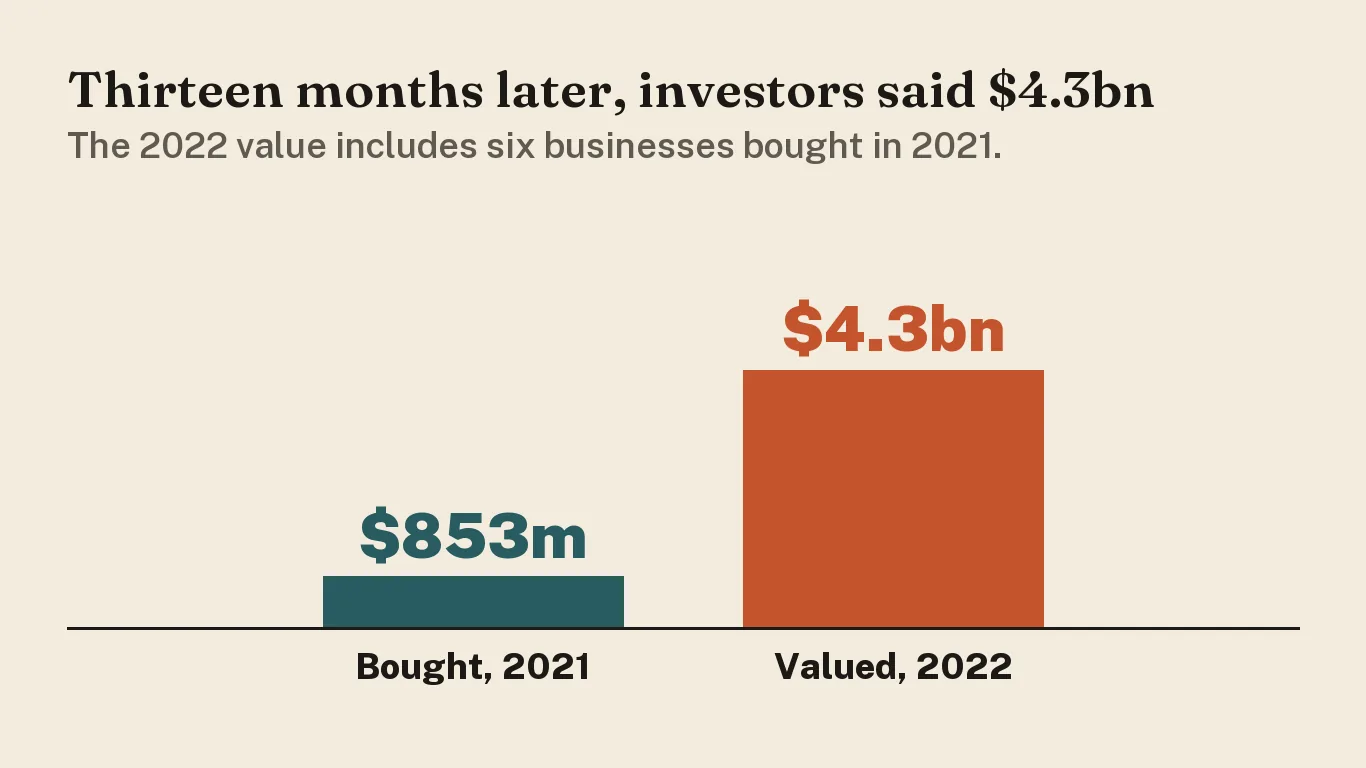
In November 2020, with prices climbing, a group of investors agreed to take Collectors Universe, the company that owned PSA, off the stock market.21 They were led by a tech investor and card collector called Nat Turner. The price of the company was about $853 million. The deal closed in February 2021, and Nat Turner became chief executive.22
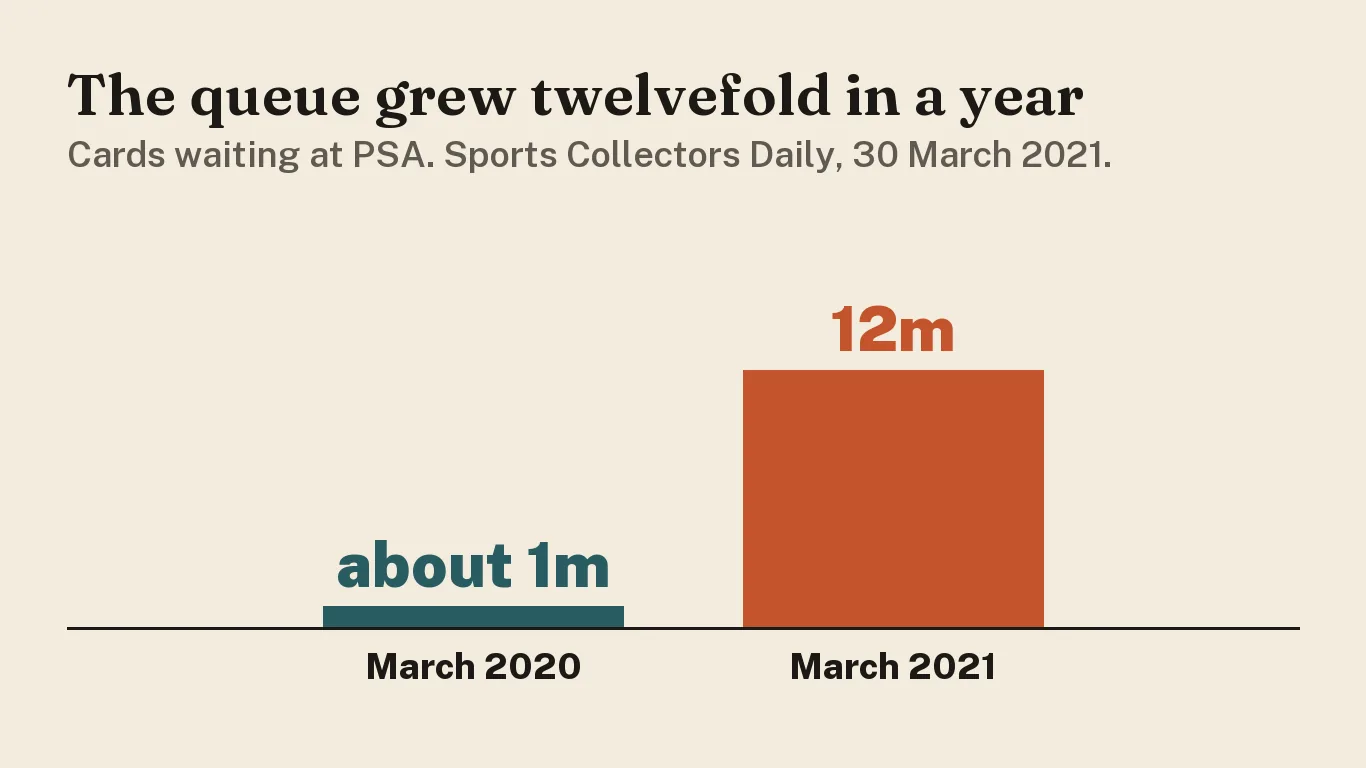
In March 2021, PSA stopped taking almost all of its cheaper orders. It was holding 12 million cards. A year earlier it had been holding about one million. PSA’s president said it had received more cards in three days than in the previous three months.23
The company spent 2021 buying other businesses as well. By March 2022 its investors valued it at $4.3 billion.24 It was the same year cheap money was putting up car washes across the road from each other, as our first episode found.
A label printer and a soldering iron
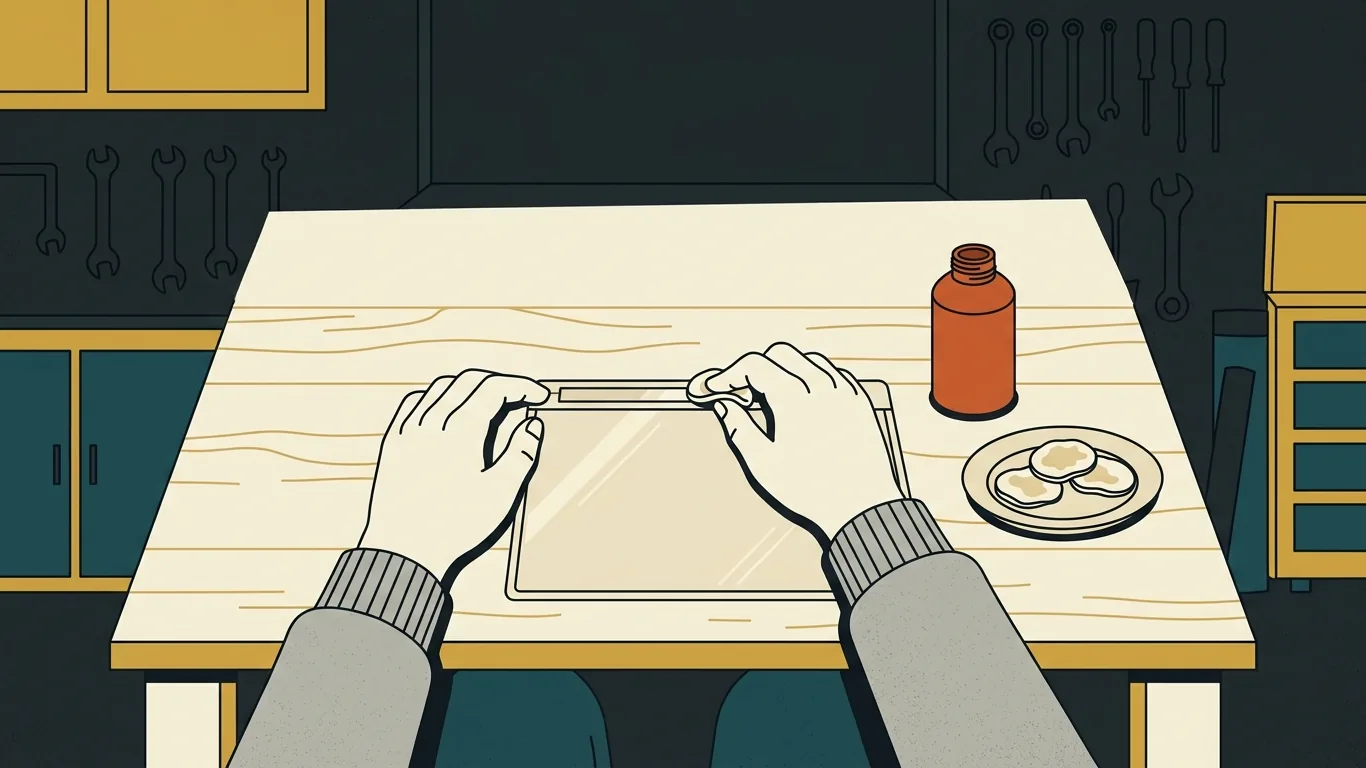
Anthony Curcio spent those same years studying PSA’s labels. From 2022, Curcio was taking genuine cases and cleaning the grades off their labels. He printed new grades in their place. The scheme ran for almost two years.2
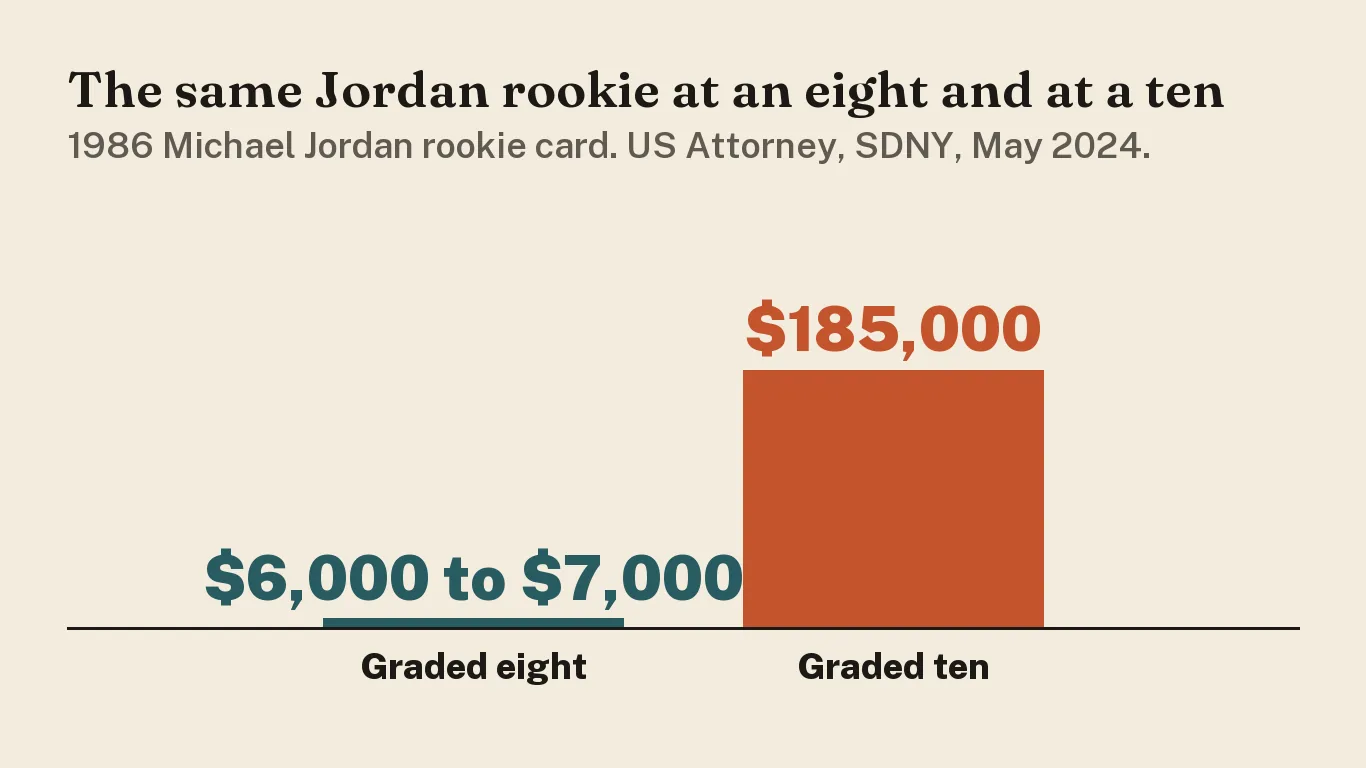
The prosecutors’ example was a 1986 Michael Jordan rookie card. Graded eight, that card is worth $6,000 to $7,000. A copy graded ten is worth about $185,000. Curcio advertised one in a forged ten case for more than $170,000.1
He sold under another name, Brendan Wooley.1 He also had a partner, a basketball coach called Iosif Bondarchuk.10 Bondarchuk later testified that Curcio wanted him to sell cards using his name.25
Among the forged cases were a 1999 Charizard and the Venusaur. The Venusaur went to the buyer who was working for the FBI.1 Prosecutors put the fraudulent and attempted sales at more than $2 million.2
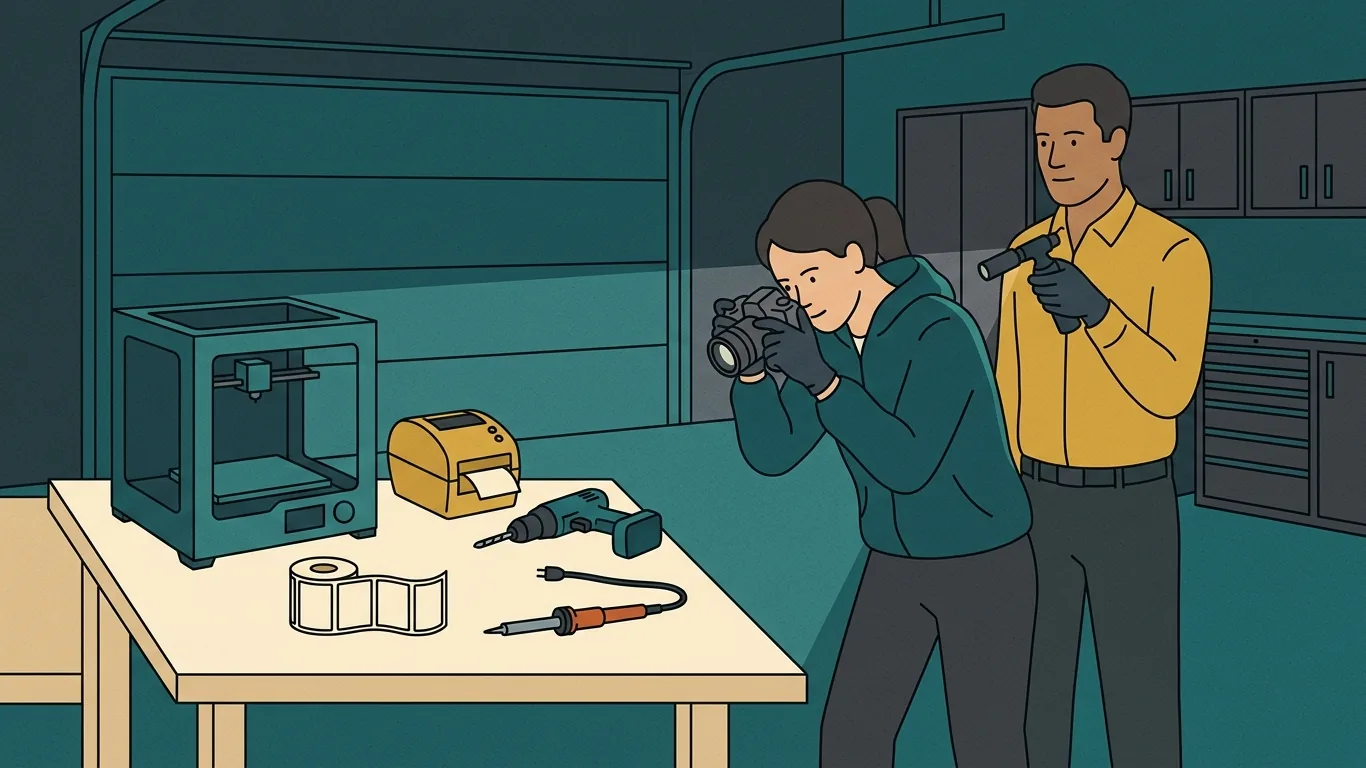
In May 2024, FBI agents searched Curcio’s home near Seattle.26 He and Bondarchuk were arrested the same day.1 The search warrant described a 3D printer, a label printer, labels, a drill and a soldering iron.26
The trial
Anthony Curcio’s trial began in Manhattan in January 2026.25 Iosif Bondarchuk had already pleaded guilty and agreed to cooperate.25

On the stand, Bondarchuk said he had watched Curcio crack open genuine PSA cases and swap the cards inside more than twenty times.12 And he offered a motive: “I think Anthony wanted revenge on PSA.”25
Curcio’s own account was that he had been investigating PSA, gathering evidence of corruption for a documentary. Of one buyer’s cards, he told Business Insider, “I wanted there to be no dispute about the authenticity of his cards, I wanted PSA to bless them.”12 A filmmaker who was making a film about him testified that Curcio said he had that evidence, and never sent it.12
PSA’s director of brand protection, Jackie Curiel, described a corner rounded the wrong way. She described a version of the logo that did not exist on the date the label claimed.12
On 28 January 2026, the jury found Curcio guilty of wire fraud and conspiracy to commit wire fraud.2
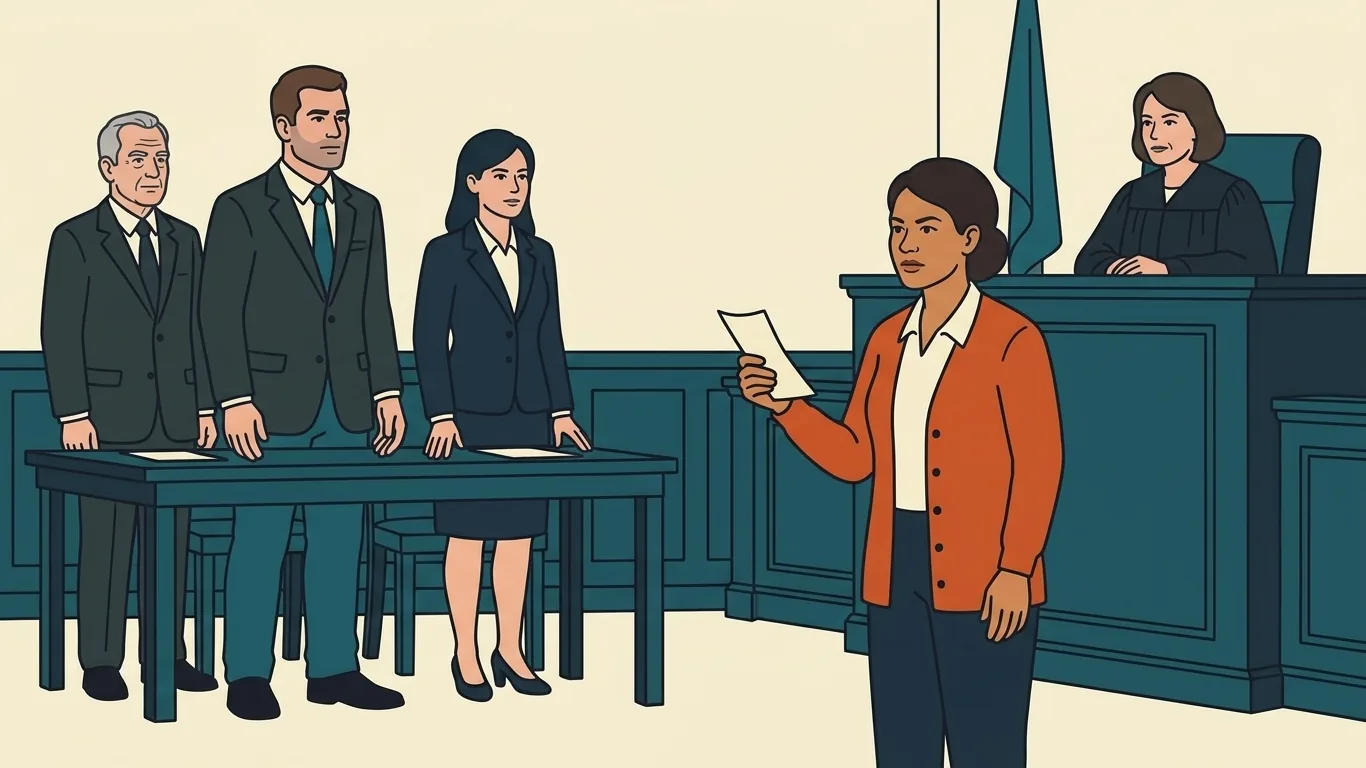
The prosecutors said the millions of Americans who take part in collectibles markets should be free from fraud and manipulation.2
80 per cent
While Curcio waited for his trial, PSA had been growing. By the end of 2025 its owner had bought one rival grader and announced it was buying another.18
A congressman asked the federal competition regulator to investigate. He said PSA’s owner now controlled more than 80 per cent of all card grading.18

In 2025, PSA graded nearly twenty million items. More than half of those items came from card games, mostly Pokémon.27
By July 2026, the cheapest price for a new order was $74.99. The queue was back above twelve million cards.28
Since the verdict, Curcio has sued PSA’s owner himself.12
Three lawsuits
In the summer of 2026, PSA’s own customers began to sue. In July, a collector called Nicholas Funk filed a class action in federal court.28 It accuses PSA of racketeering and fraud. It also says PSA rationed tens to keep them scarce.29
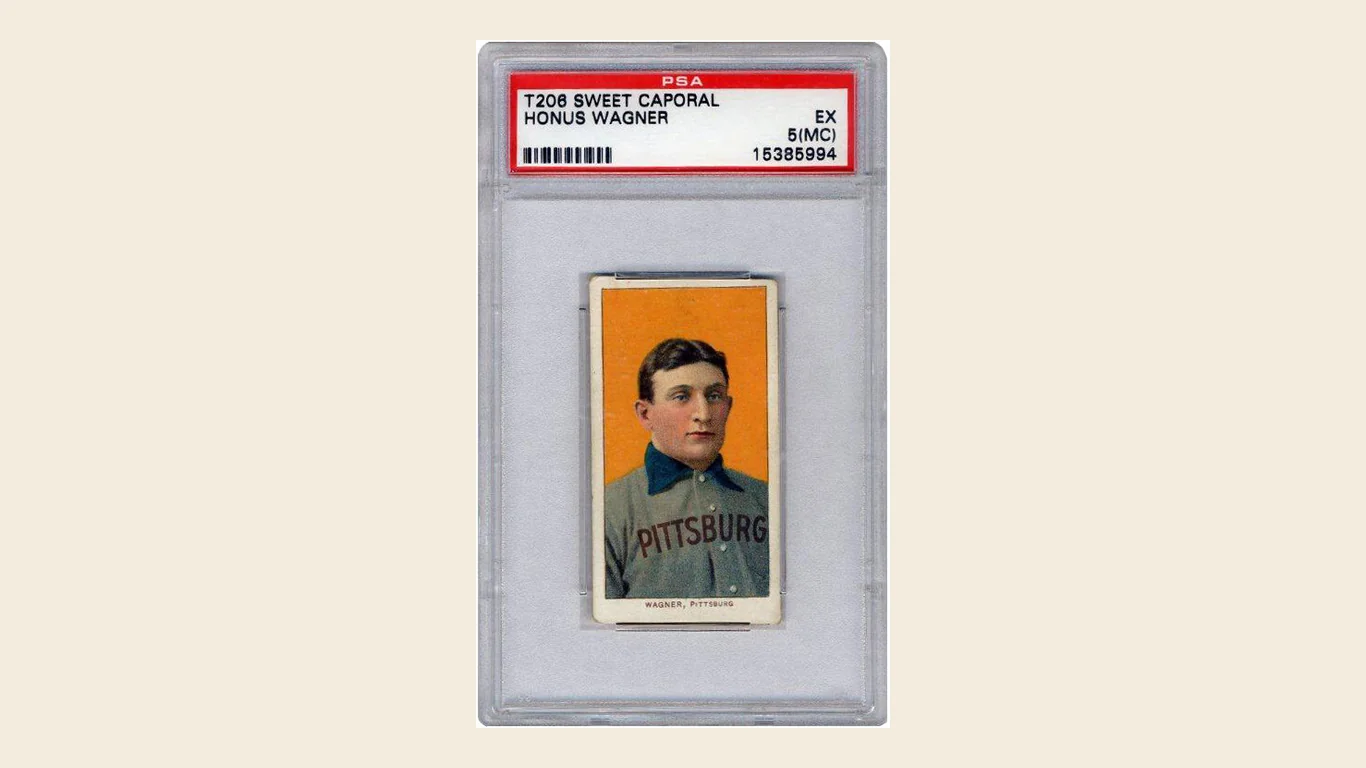
Its most striking example is PSA’s certificate number one, a Honus Wagner baseball card from around 1910, graded eight.29 In 2013, a dealer admitted in federal court that he had trimmed the edges of that card.30 The complaint points out that PSA’s own rules say an altered card will not be given a grade.29

A week before Funk, a high-end collector in California had sued, claiming losses of more than $5 million. He alleges that PSA held down the grades on his cards to protect cards owned by company insiders. His suit says Nat Turner himself owns fifteen to twenty thousand graded cards.28
A third suit by collectors, filed in April, argues that buying its rivals broke competition law.28 PSA’s owner says the claims are without merit. It says a grade is an expert opinion that cannot be bought, pressured, or litigated into existence.28
None of these cases has been decided.
Where it stands
At the very top, the market Curcio tried to exploit is still climbing. In February 2026, a Pikachu Illustrator card graded ten sold for $16.5 million. No trading card had ever fetched more at auction.31
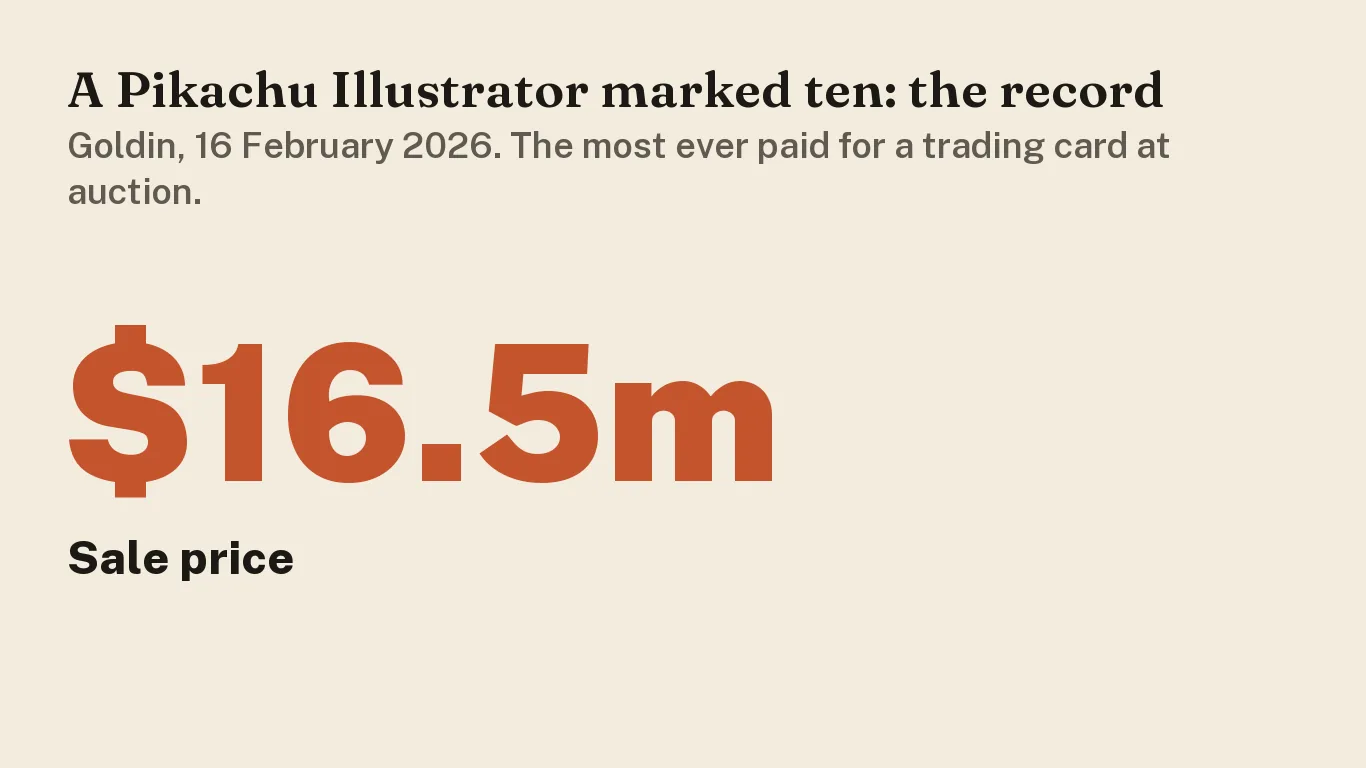
Its seller, Logan Paul, had got it in 2021 by trading in a copy of the same card graded nine. He put $4 million in cash on top.15 One point on the label had been worth $4 million.32
Lower down, the happiest stories are the ones like Andrew Braund’s. Three cards out of an attic paid for his wedding.
PSA graded so many new Pokémon cards in 2025 that, according to figures published by Sports Illustrated, about half of them came back as tens.27 The labels that still carry real money sit on old cards, the ones children put in shoeboxes in 1999.

Anthony Curcio robbed an armoured car, went to prison, and came out to tell schoolchildren how he had turned his life around.
A judge set his sentencing for wire fraud for 6 October 2026.33
Sources
-
US Attorney’s Office, Southern District of New York, 23 May 2024: a 1999 Venusaur sold in an undercover purchase in July 2023 for $10,500, in an FBI investigation; a 1986 Fleer Michael Jordan rookie valued at about $6,000 to $7,000 graded eight and $185,000 to $203,000 graded ten, advertised in a forged ten case for $171,700; Curcio also known as “Brendan Wooley”; both men arrested on 23 May 2024. ↩ ↩2 ↩3 ↩4 ↩5
-
US Attorney’s Office, Southern District of New York, 29 January 2026: conviction for wire fraud and conspiracy to commit wire fraud; forged PSA grades and labels; fraudulent and attempted sales of more than $2 million; the statement of US Attorney Jay Clayton, paraphrased. The release is dated 29 January; Business Insider and Inner City Press date the verdict 28 January. ↩ ↩2 ↩3 ↩4 ↩5 ↩6
-
FBI Seattle, press release, 27 July 2009: the robbery, the inner tube and the cable across the creek, nearly a year of planning, the licence plate and the wig, the trip to Las Vegas, and the arrest in a new Range Rover after a shopping spree at an outlet mall. ↩ ↩2 ↩3 ↩4
-
Anthony Curcio, About, acurcio.com, his own account, including his release in April 2013 and his talks in schools; also Business Insider, 19 August 2026. ↩ ↩2 ↩3
-
Heritage Auctions, press release, Trading Card Games Signature Auction, 12 and 13 December 2025: a 1999 first edition Charizard graded PSA 10, $550,000. ↩
-
figoca, reporting the Goldin result, 8 March 2026: a 1999 first edition Charizard graded PSA 9, $75,030. ↩
-
$550,000 less $75,030 is $474,970. These are two separate sales three months apart, of two copies of the same card. ↩
-
US Attorney’s Office, Western District of Washington, 27 July 2009: the robbery in Monroe on 30 September 2008, the mace, about $400,000 taken, the arrest on 25 November 2008 (56 days later), the sentence of 72 months from Judge James L. Robart, and about $220,000 recovered. ↩ ↩2 ↩3 ↩4
-
HistoryLink, essay 8829, Phil Dougherty, 4 November 2008, drawing on the Seattle Post-Intelligencer, the Seattle Times and KING 5: about a dozen decoys, the Craigslist advert asking for a yellow safety vest and a blue shirt, and the nickname D. B. Tuber. ↩ ↩2
-
Everett Herald, 29 May 2024: the children’s books he says he wrote in prison (his own site says more than 30), and Iosif Bondarchuk as an assistant varsity basketball coach at Archbishop Murphy High School. ↩ ↩2
-
Wikipedia, Anthony Curcio: the memoir Heist and High (Nish Publishing, 2013) and the TEDx talk of 26 July 2016. ↩
-
David Kushner, Business Insider, 19 August 2026: the gym and the card collection; trial testimony that Curcio swapped cards more than twenty times; Curcio’s documentary account and his words to Business Insider, quoted verbatim; the testimony of the filmmaker Jeremiah Murphy, a defence witness; the evidence of Jackie Curiel, PSA’s Senior Director of Brand Protection; and Curcio’s 61-page suit against PSA’s owner, filed in King County Superior Court in March 2026. ↩ ↩2 ↩3 ↩4 ↩5 ↩6
-
Hansons Auctioneers, via AOL, February 2026: £1.50 to £2 a pack at Woolworths in 1999. ↩
-
cllct, December 2025: under $20,000 in 2017. No individual sale is cited. ↩
-
Wikipedia, List of most expensive cards from collectible card games: a first edition Charizard graded PSA 10 sold for $350,100 on eBay on 12 December 2020; Logan Paul’s Pikachu Illustrator graded PSA 9 traded at $1,275,000 in June 2021 against a PSA 10 private sale of $5,275,000 in July 2021, the difference paid in cash. ↩ ↩2
-
Ewbank’s Auctions, April 2026: three Charizards found in an attic, a hoped-for £25,000, and a hammer total of £32,800 on 16 April 2026. ↩
-
ComicBook.com, quoting Andrew Braund. ↩
-
Rep. Pat Ryan, press release, 19 December 2025, with his letter of 18 December 2025: the request to the Federal Trade Commission, and his figure of “over 80%” of grading volume. Other estimates differ: GemRate puts PSA alone at about 72 per cent in 2025. ↩ ↩2 ↩3
-
Collectors Universe, Form 10-K for the fiscal year ended 30 June 2020: grading on a scale of one to ten in sealed holders, an average service fee per trading card of $10.27, and principal offices in Santa Ana, California. ↩ ↩2 ↩3
-
Heritage Auctions, December 2025: 125 first edition Charizards graded PSA 10. Sports Illustrated, 17 December 2025, gave 124 tens out of 4,993 graded. ↩
-
Collectors Universe, press release, 30 November 2020, SEC Exhibit 99.1: the agreement to be taken private. ↩
-
Sports Collectors Daily, 2021: the investor group led by Nat Turner, co-founder of Flatiron Health and Invite Media; the raised offer of $92 a share, about $853 million; the close in February 2021 and Turner as chief executive. ↩
-
Sports Collectors Daily, 30 March 2021: services from $20 to $150 suspended; 12 million cards held, against about one million a year earlier; PSA president Steve Sloan on three days against three months. ↩
-
Collectors, press release via Business Wire, 29 March 2022: a $100 million round at a $4.3 billion valuation. The 2022 company included the businesses bought in 2021, among them Goldin, Wata and Card Ladder. ↩
-
Inner City Press, 14 January 2026, reporting the trial: Bondarchuk’s testimony, his cooperation agreement, and his words, quoted verbatim. ↩ ↩2 ↩3 ↩4
-
United States v. Curcio, Opinion and Order, 21 August 2025: the warrant executed on 23 May 2024 at his home in Redmond, Washington, and the items it described. ↩ ↩2
-
Sports Illustrated, using GemRate data: about 19.3 million items graded by PSA in 2025, more than half from card games, and a gem rate of about 50 per cent on Pokémon. ↩ ↩2
-
Value Added Resource, July 2026: the temporary $74.99 minimum for new submissions; a queue of 12.4 million by 28 July 2026; Nicholas Funk’s class action, District of Maryland, 1:26-cv-02933, filed 28 July 2026; the suit by Lichtman, Orange County Superior Court, 21 July 2026, removed to the Central District of California, 8:26-cv-02048; the April suit on competition; and the Collectors statement. ↩ ↩2 ↩3 ↩4 ↩5
-
Dexerto, summarising the Funk complaint: the claims of racketeering and fraud, the rationing of tens, PSA certificate number one, and the quotation of PSA’s own grading standard on altered cards. ↩ ↩2 ↩3
-
Cardboard Connection, October 2013: the guilty plea of the dealer Bill Mastro, Northern District of Illinois, 10 October 2013. ↩
-
Talker, 18 February 2026, also reported by CNN and Euronews: $16,492,000 at Goldin. ↩
-
$5,275,000 less $1,275,000 is $4,000,000. ↩
-
Inner City Press, 14 August 2026; Business Insider, 19 August 2026. ↩